
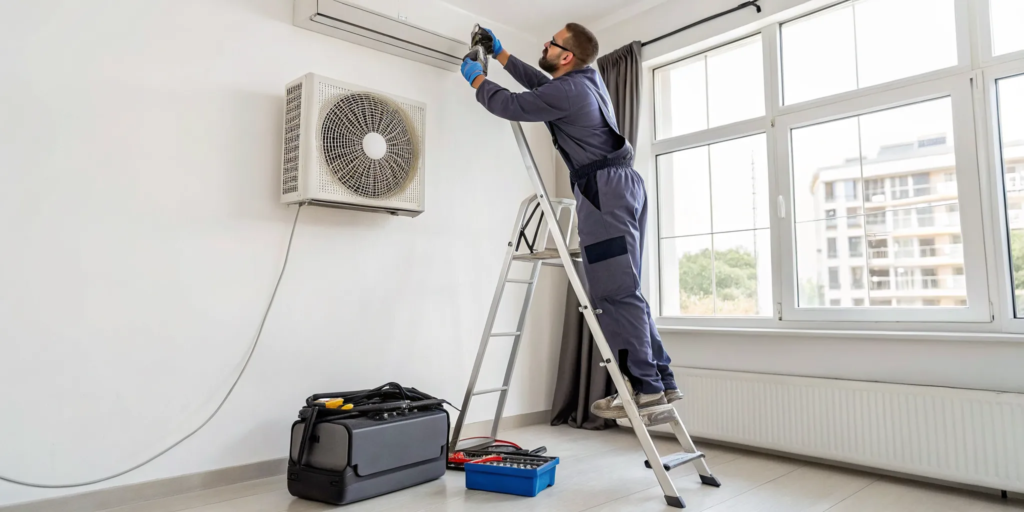
Nothing causes a homeowner’s stomach to drop quite like a failing air conditioner, followed by the immediate worry: “How much is this going to cost?” The price of fixing a ductless system can vary widely, which only adds to the stress. A minor fix might be manageable, but a major component failure is another story. The key to navigating this uncertainty is working with a company that values transparency. This article breaks down the factors that influence repair costs, from the type of problem to the parts needed. We’ll give you a realistic look at potential expenses and, most importantly, show you how to find a ductless ac repair service that provides honest, upfront pricing so you can make a confident decision without any surprises.
Key Takeaways
- Stay ahead of repairs with simple maintenance: You can prevent many problems by cleaning the filters monthly and keeping the outdoor unit clear of debris. An annual professional tune-up will keep your system running efficiently and protect your warranty.
- Know when your system needs help: Don’t ignore key warning signs like poor cooling, strange noises, water leaks, or ice buildup. Calling for a repair as soon as you spot these issues can save you from a much bigger expense later on.
- Hire a specialist for ductless repairs: Since mini-splits require specific skills, always choose a technician with proven ductless experience. Look for a company that provides upfront pricing and a guarantee on their work for a quality, stress-free repair.
What Is a Ductless AC System?
If you’ve ever struggled with a room that’s always too hot or too cold, or if you live in a home without traditional ductwork, a ductless AC system might be the perfect solution. Often called mini-splits, these systems are a modern alternative to the standard furnace and air conditioner combination. They give you precise control over the temperature in individual rooms or zones, which is a fantastic way to keep everyone comfortable and save on energy bills. A ductless system has two main parts: an outdoor compressor and one or more indoor air-handling units. These are connected by a small conduit, so there’s no need for bulky, expensive ductwork. This makes them ideal for older homes, new additions, or even just for targeting specific areas. Our team provides a full range of services for these systems, from installation to repair.
How Do Mini-Splits Work?
The magic of a mini-split is in its simplicity and efficiency. The outdoor unit absorbs or releases heat, while the indoor unit, mounted on a wall or ceiling, delivers the cool or warm air directly into your space. Because they transfer heat instead of generating it, they use significantly less energy than traditional systems. Best of all, they’re not just for cooling. Mini-splits are heat pumps, meaning they can both cool your home in the summer and heat it in the winter. Since you get your heating and cooling from the same unit, you only have to schedule tune-ups for one system instead of two, which simplifies your home maintenance routine.
Busting Common Ductless Myths
Because ductless technology is still new to many homeowners, a few myths about their pros and cons are still circulating. Let’s clear the air on a couple of them. One common myth is that ductless systems are difficult to maintain. In reality, the maintenance for a ductless system is quite low and easy for most homeowners. It mainly involves washing the reusable filters every month or so to keep the air flowing freely. Another misconception is that they are only for cooling. As we mentioned, mini-splits are excellent heaters, providing cozy, consistent warmth even on chilly Texas nights, making them a true year-round comfort solution.
Signs Your Ductless AC Needs Repair
Ductless mini-splits are fantastic for their efficiency and quiet operation, but they aren’t invincible. Just like any hardworking appliance, they can show signs of trouble. Paying attention to your system and catching these little warnings early can be the difference between a quick, simple fix and a major, costly headache. If your ductless AC starts acting up, don’t ignore it. Think of these signs as your system’s way of asking for a little help. Knowing what to look for is the first step in keeping your home comfortable and your repair bills low.
It’s Not Cooling Right
Is your ductless unit running, but your room still feels warm and stuffy? If the air coming out feels weak or isn’t as cold as it used to be, that’s a clear red flag. Your AC should have no problem maintaining the temperature you set on the remote. When it struggles, it’s often a sign of an underlying issue. It could be something as simple as a clogged air filter restricting airflow, but it can also point to more serious problems like a refrigerant leak or a failing compressor. An AC that isn’t cooling properly is working harder than it needs to, which also drives up your energy bills. If a quick filter clean doesn’t solve it, it’s time for a professional look.
Hearing Strange Noises?
One of the best things about ductless systems is how quiet they are. So, when your unit starts making new and unusual sounds, you should pay attention. Noises like grinding, rattling, squealing, or buzzing are not normal. A grinding sound could indicate a problem with the motor’s bearings, while rattling might just be a loose panel or debris in the outdoor unit. Squealing often points to issues with the fan motor or belt. These sounds are mechanical components in distress. Ignoring them is like ignoring the check engine light in your car; the problem will likely get worse and lead to a more significant breakdown. Turning the system off and calling for a ductless cooling service is the safest move.
Spotting Leaks and Ice Buildup
You should never see water dripping from your indoor unit or ice forming on its coils. If you spot moisture stains on the wall below your unit or active dripping, it’s often caused by a clogged condensate drain line. This line is supposed to carry moisture safely outside, but when it gets blocked with dust or algae, the water backs up and spills into your home. Ice buildup is another major concern. It usually means there’s a problem with airflow, like a dirty filter, or that the system is low on refrigerant. Don’t try to scrape the ice off yourself, as you could damage the delicate coils. Instead, turn the unit off to let it thaw and schedule a professional air conditioning repair.
The Problem with Refrigerant Leaks
Refrigerant is the essential substance that allows your AC to absorb heat from inside your home and release it outside. Your ductless system is a closed loop, meaning it should never lose refrigerant. If it does, you have a leak. Signs of a refrigerant leak include poor cooling performance, a hissing sound coming from the unit, or ice forming on the evaporator coils. A system low on refrigerant will run constantly trying to cool your space, wasting energy and putting immense strain on the compressor. Topping off the refrigerant without fixing the leak is only a temporary fix. A certified technician needs to find and repair the leak and then recharge the system to the correct level.
Your System Won’t Turn On
If your ductless AC won’t turn on at all, it’s obviously a major issue. Before you panic, do a couple of quick checks. Is the remote control working? Try replacing the batteries. Next, check your home’s electrical panel to see if the circuit breaker for the AC has tripped. If you’ve tried these simple steps and the unit is still unresponsive, it’s time to call for help. The problem could be anything from a faulty thermostat or wiring issue to a failed capacitor or a dead compressor. A professional technician can safely diagnose the electrical components and determine the root cause, letting you know if it’s a repairable issue or if the unit needs to be replaced.
Simple Ductless AC Troubleshooting You Can Do Yourself
When your ductless AC starts acting up, your first thought might be to call for a repair. While some issues definitely need a professional, you can often solve minor problems yourself with a few simple checks. Before you pick up the phone, walking through these troubleshooting steps can save you time and money. It’s all about ruling out the easy stuff first, and you might be surprised at what you can fix on your own.
Check the Thermostat and Remote
It sounds almost too simple, but you’d be surprised how often the fix is right in your hand. Before you do anything else, grab your remote control. First, check that it’s set to “cool” and not “heat” or “fan.” Next, make sure the temperature is set lower than the current room temperature. If the unit still isn’t responding, try replacing the batteries in the remote, as a weak signal can sometimes be the culprit. This quick check is the easiest first step and can often get your system back to cooling your room in minutes without any fuss.
Inspect and Clean the Air Filters
Your mini-split’s air filters are essential for keeping it running efficiently. When they get clogged with dust and debris, they restrict airflow, forcing your system to work much harder to cool your home. This not only reduces its cooling power but can also drive up your energy bills. Most ductless units have washable filters that are easy to access. Just pop them out, rinse them gently with water, and let them dry completely before putting them back in. Doing this once a month is a great habit that supports your system’s performance and improves your home’s air quality. Regular maintenance is key to a long-lasting unit.
Clear Away Outdoor Debris
Your ductless system has an outdoor component that needs to breathe. If the area around this unit is cluttered, it can’t properly release heat, which causes it to overheat and perform poorly. Take a quick walk outside and check on it. Are there leaves, grass clippings, or weeds piled up against it? Are bushes or other plants growing too close? You’ll want to clear away any debris and trim back vegetation to give the unit at least two feet of open space on all sides. This simple bit of yard work ensures air can flow freely, allowing your AC to operate efficiently and avoid unnecessary strain.
Look for Ice or Water
While you’re checking things out, keep an eye out for two major red flags: ice on the coils or water dripping from the indoor unit. Ice buildup usually points to a problem with airflow (like a dirty filter) or low refrigerant levels. Water leaks often mean you have a clogged drain line. While a dirty filter is an easy fix, these other issues are signs of a more complex problem. If you spot ice or a leak, it’s best not to ignore it. These problems can lead to bigger, more expensive damage if left unaddressed, so it’s time to call for a professional repair.
When to Call a Pro for Ductless AC Repair
While you can handle some basic troubleshooting on your own, certain problems are clear signs that you need a professional. After you’ve checked the simple things like filters and power, more complex issues require an expert touch. Trying to fix electrical components or refrigerant lines yourself can be dangerous and may void your warranty. A certified technician has the tools and training to diagnose the problem safely and accurately, ensuring the repair is done right the first time. Knowing when to step back and call for help is key to protecting your system and your home.
Signs It’s Time for an Expert
If your ductless system shows any of these symptoms, it’s time to put down the remote and pick up the phone. Call for professional service right away if you notice your unit isn’t cooling effectively, is making strange grinding or squealing noises, or is leaking water. Other major red flags include ice building up on the coils, musty or foul odors coming from the vents, or weak airflow that doesn’t improve after cleaning the filter. Ignoring these issues can turn a simple fix into a much bigger, more expensive problem down the line.
Why You Shouldn’t Wait to Call for Help
It can be tempting to ignore a small issue with your AC, hoping it will just go away. Unfortunately, that’s rarely the case. Postponing a repair almost always leads to more significant damage and a higher bill. While ductless systems are known for being relatively low-maintenance, they aren’t invincible. Think of a service call as a proactive step. Promptly addressing a problem not only fixes the immediate issue but also extends the life of your system by preventing further wear and tear. Taking care of a repair as soon as you spot it is the best way to protect your investment and ensure your home stays comfortable.
Keep Your Ductless AC Running Smoothly: A Maintenance Checklist
A ductless mini-split system is a fantastic investment in your home’s comfort, but like any hardworking appliance, it needs a little TLC to perform its best. The good news is that staying on top of maintenance is easier than you might think. A few simple habits can make a world of difference, helping you avoid surprise breakdowns, keep your energy bills in check, and ensure your system lasts for years to come.
Think of it as a simple wellness plan for your AC. By following a basic checklist, you can handle the small stuff yourself and know exactly when to call for backup. This proactive approach not only saves you money on potential repairs but also gives you peace of mind, knowing your system is running efficiently and safely. Ready to get started? Here’s a straightforward maintenance schedule to keep your ductless AC in top shape.
Monthly: Clean Filters and Surfaces
Your ductless system’s air filters are its first line of defense, trapping dust, pollen, and other particles to keep your indoor air clean. When they get clogged, your system has to work much harder to pull in air, which reduces efficiency and can strain the motor. At least once a month, take a few minutes to clean them. Simply turn off the unit, open the front panel, and slide the filters out. Most are reusable, so you can wash them with gentle soap and water, let them air dry completely, and pop them back in. While you’re at it, wipe down the exterior of the indoor unit with a soft cloth to keep it looking fresh.
Year-Round: Keep the Outdoor Unit Clear
Your system’s outdoor unit, or condenser, needs room to breathe. Its job is to release heat from your home, and it can’t do that effectively if it’s surrounded by clutter. Make a habit of checking on it throughout the year. Clear away any leaves, grass clippings, twigs, or other debris that may have collected around it. It’s also a good idea to trim back any nearby bushes, shrubs, or plants, leaving at least two feet of clear space on all sides. This simple step ensures proper airflow and helps prevent your system from overworking, especially during our hot San Antonio summers. For more tips, you can review a helpful mini-split maintenance guide.
Regularly: Check the Drainage Lines
Your indoor unit produces condensation as it cools the air, which is carried away through a drain line. If this line becomes clogged with algae or debris, water can back up and leak into your home, potentially causing water damage and creating a musty smell. You can spot a problem if you see water dripping from the indoor unit. While some suggest using vinegar to clear minor clogs, a blocked drain line is often best left to a professional. A technician can safely and thoroughly clear the line without risking damage to your system’s sensitive parts, ensuring everything flows exactly as it should.
Annually: Schedule a Professional Tune-Up
While DIY tasks are important, nothing replaces an annual professional tune-up. We recommend scheduling a service visit each spring to get your system ready for the cooling season. If you use your mini-split for heating, too, it’s wise to have it checked in the fall as well. During a tune-up, a certified technician will perform a comprehensive inspection, including cleaning the coils, checking refrigerant levels, testing electrical connections, and ensuring the entire system is operating safely and at peak efficiency. This preventative ductless AC service catches small issues before they become expensive problems.
Protect Your Warranty with Regular Maintenance
Did you know that most manufacturer warranties require proof of regular professional maintenance? Skipping your annual tune-up could void your warranty, leaving you on the hook for the full cost of any future repairs. Beyond protecting your warranty, consistent upkeep is a smart financial move. A well-maintained system can last years longer than a neglected one and runs more efficiently, which can lower your monthly energy bills. Taking care of your ductless AC is a small investment that pays off with reliable comfort, lower costs, and a longer lifespan for your system.
What Does Ductless AC Repair Cost?
Let’s talk about one of the biggest questions on your mind when your AC stops working: how much is this going to cost? The truth is, the price for a ductless AC repair can vary quite a bit. It’s not like buying a product off a shelf with a set price tag. The final bill depends on what’s wrong with your system, which parts are needed, and the labor involved. A minor fix might only set you back a couple of hundred dollars, while a major component failure could be significantly more.
Because the range is so wide, it’s essential to work with a company that provides honest, upfront pricing. After a technician diagnoses the problem, you should receive a clear quote detailing the costs before any work begins. This transparency helps you avoid surprises and make an informed decision without any pressure. While online estimates are a good starting point, remember that only a professional inspection can give you a precise figure for your specific situation. The goal is to get your home comfortable again without breaking the bank, and understanding the potential costs is the first step.
Estimates for Common Repairs
To give you a general idea of what to expect, it helps to look at some typical repair scenarios. Keep in mind these are just ballpark figures, and your actual cost will depend on your specific unit and the technician’s diagnosis. According to some industry experts, a few common mini-split repairs include replacing a compressor, which can range from $600 to $1,500, or repairing a condenser coil for $500 to $1,200. Something like a refrigerant line replacement might fall between $400 and $800. On top of parts, labor costs typically add about $75 to $150 per hour.
What Influences the Final Price?
Several factors can affect your final repair bill. The age and brand of your ductless system play a big role, as parts for older or less common models can be harder to find and more expensive. The complexity of the repair itself is another major factor. A simple fix like clearing a clogged drain line will cost much less than replacing a critical component like the main circuit board. Your system’s warranty can also make a huge difference, as it may cover the cost of parts, labor, or both. Finally, the type of system you have, such as a single-zone versus a multi-zone unit, can also influence repair costs.
Repair or Replace? How to Decide
At some point, you might face the classic dilemma: is it better to repair your current ductless unit or replace it entirely? A good rule of thumb is to consider replacement if the repair cost is approaching 50% of the price of a new system. For example, if you’re looking at a repair bill that’s getting close to $5,000, it’s wise to weigh your options carefully. Investing that money in a new, high-efficiency model could be a smarter long-term decision. A new unit will not only come with a fresh warranty but will also likely lower your monthly energy bills and provide more reliable comfort for years to come. Our team can help you compare the costs and benefits of both options to find the right solution for your home and budget.
Choosing the Right Ductless AC Repair Service
Finding the right person to fix your ductless AC can feel like a big task, especially when your home is getting warmer by the minute. You want someone who can get the job done quickly, but you also need a technician you can trust to do it right. The last thing you want is a temporary patch-up that leads to another breakdown a few weeks later. Choosing a reliable repair service is about more than just a quick fix; it’s an investment in your home’s comfort and your system’s longevity.
Not all HVAC companies have the same level of expertise, particularly when it comes to mini-split systems. These units are different from traditional central air, and they require a specific skill set. When you’re searching for a pro, you’re looking for a partner who understands the ins and outs of ductless technology. From checking for specific experience to demanding clear pricing, there are a few key things to keep in mind. Taking a little time to vet your options will help you find a company that values quality work and customer satisfaction, ensuring your system gets the expert care it deserves. We’ll walk through exactly what to look for.
Look for Mini-Split Experience
Ductless systems aren’t just smaller versions of central AC units; they have their own unique components and technology. That’s why it’s so important to find a technician with specific, hands-on experience repairing mini-splits. A pro who primarily works on traditional systems might not be familiar with the common issues or diagnostic procedures for a ductless model. An experienced technician will know exactly what to look for, leading to a faster, more accurate repair. When you call a company, don’t be shy about asking if their team is trained to work on ductless cooling solutions and if they service your specific brand, whether it’s Mitsubishi, Daikin, Fujitsu, or another major name.
Demand Upfront, Honest Pricing
Nothing adds stress to a repair situation like hidden fees and surprise charges on the final bill. A trustworthy HVAC company will always be transparent about its costs. Look for a service provider that offers upfront, honest pricing, giving you a clear estimate before any work begins. This practice shows that the company respects your budget and isn’t using pressure tactics to make a sale. When you know the cost ahead of time, you can make an informed decision without worrying about unexpected expenses. This transparency is a hallmark of a professional, customer-focused business that wants to build a long-term relationship with you.
Check for Same-Day Service
When your air conditioner gives out during a sweltering San Antonio summer, waiting days for a repair just isn’t an option. Your comfort and safety are on the line. That’s why it’s a good idea to find a company that offers same-day service. A provider with a responsive team shows they understand the urgency of a broken AC and are equipped to handle emergencies promptly. This level of commitment means they have the staff and resources ready to go, so you won’t be left sweating it out. Prioritizing companies that can provide fast and reliable air conditioning repair will give you peace of mind when you need it most.
Ask About Guarantees and Maintenance Plans
A great repair is one that lasts. Before you hire a technician, ask about any guarantees they offer on their parts and labor. A company that stands behind its work will provide a warranty, giving you confidence that the fix is solid. Beyond the immediate repair, consider a company that can help you prevent future problems. Many reputable providers offer maintenance plans designed to keep your ductless system running efficiently year-round. These plans often include regular tune-ups, which can catch small issues before they become major headaches, saving you money and extending the life of your AC.
Ductless AC vs. Traditional HVAC: Is the Upgrade Worth It?
If you’re weighing your cooling options, you’ve probably heard about ductless mini-split systems. They look different from the central air units many of us grew up with, and they work differently, too. While traditional HVAC systems use a network of ducts to push cool air throughout your entire home, ductless systems give you room-by-room control. But is making the switch from a familiar central AC system really worth it? Let’s break down the key advantages of going ductless so you can decide what’s best for your San Antonio home.
Save Energy and Money
One of the biggest draws of a ductless system is its potential for significant energy savings. Because you aren’t cooling empty rooms, you use less electricity, which translates directly to lower monthly bills. Ductless units are incredibly efficient and avoid the energy loss that often happens in leaky ductwork, a common issue in older homes. While mini-splits generally require less upkeep than central air, they still need regular care to run at their best. A simple professional tune-up ensures your system stays efficient, preventing surprise repairs and keeping those energy costs down. Plus, since many models provide both heating and cooling, you’re only maintaining one system instead of two.
Enjoy Zoned Comfort and Flexible Installation
Have you ever fought with your family over the thermostat? Ductless systems can bring peace to your home with zoned comfort. Each indoor unit has its own thermostat, allowing you to set different temperatures in different rooms. You can keep the living room cool while you’re using it and turn off the unit in an empty guest room. This flexibility also extends to installation. Since they don’t need ductwork, ductless cooling solutions are perfect for home additions, converted garages, or historic houses where installing ducts would be a major, costly project. The installation process is typically faster and less invasive than putting in a whole new central HVAC system.
Breathe Cleaner Air
If allergies are a concern in your household, a ductless system can be a game-changer for your indoor air quality. Traditional systems push air through ducts that can accumulate dust, pollen, pet dander, and even mold over time. Ductless units deliver air directly into the room, passing it through a multi-stage filtration system that captures airborne particles. With no ducts, there’s nowhere for allergens to hide and build up. Of course, you’ll need to clean the filters regularly to keep the air fresh and the system running efficiently. It’s a small task that makes a big difference in the quality of the air you and your family breathe every day.
Need Ductless AC Repair in San Antonio?
If your ductless AC is acting up and you’re looking for reliable repair in San Antonio, you’ve come to the right place. At Modern Air System, we combine over 25 years of experience with the personal touch of a family-owned business to get your home comfortable again, fast. We understand that a broken AC is a major headache, especially in the Texas heat. That’s why our team is ready to provide prompt, professional service you can count on. We’re equipped to handle any issue, regardless of the brand, and our team is committed to providing an honest and stress-free experience from start to finish.
We Service All Major Brands
Ductless systems are a fantastic modern alternative to traditional HVAC, and they’ve become incredibly popular with homeowners here in Texas. While these convenient mini-splits are great, we know there are still a lot of myths and questions about how they work and who can fix them. You can put those worries aside. Our technicians are trained and certified to service all major brands of ductless systems. Whether you have a Mitsubishi, Daikin, Fujitsu, or another brand, we have the expertise and the right tools to diagnose the issue accurately and perform a lasting repair. You don’t have to hunt for a brand-specific specialist; we’re your one-stop shop for all ductless AC services.
What to Expect from Our Team
When you call us for a repair, you’re trusting us with your home and your comfort. We take that trust seriously. You can expect a certified, background-checked technician to arrive on time, treat your home with respect, and provide honest, upfront pricing before any work begins. We’ll never try to sell you a service you don’t need. In fact, we pride ourselves on being the trustworthy second opinion that saves you from unnecessary expenses. Our goal is to provide prompt, effective repairs that solve your problem the first time. If for any reason you’re not completely satisfied, we’ll do what it takes to make it right. That’s the Modern Air System promise.
Frequently Asked Questions
Can a ductless system really heat my home during a Texas winter? Absolutely. Mini-splits are actually heat pumps, which means they are designed to provide both cooling and heating from a single unit. They are very efficient at warming your space and are more than capable of handling our mild San Antonio winters. Instead of generating heat, they move it from the outside air into your home, providing a steady and comfortable warmth without the dry air you sometimes get from a traditional furnace.
Is it a big deal if I forget to clean the filters for a couple of months? It might seem like a small task, but a clean filter is critical for your system’s health and efficiency. When the filter gets clogged with dust, it forces the unit to work much harder to pull in air. This not only drives up your energy bill but can also lead to bigger issues, like the coils freezing over. Think of it as a quick five-minute chore that protects your investment and keeps your air quality high.
My indoor unit is dripping water. What should I do? If you see water dripping from the indoor unit, it’s a clear sign that the condensate drain line is clogged. This line is supposed to carry moisture outside, but when it gets blocked, the water has nowhere to go but back into your room. The best first step is to turn the system off to prevent any potential water damage to your wall or floor. This is a job best left to a professional, who can safely clear the line without damaging any sensitive components.
Are ductless systems only for new homes or additions? Not at all. While they are a perfect solution for home additions, converted garages, or sunrooms, they are also fantastic for older homes that were built without ductwork. Installing traditional ducts can be an expensive and invasive process, but a mini-split can be installed with minimal disruption. They are also a great way to solve comfort issues in specific rooms of a house that already has central air, like a bedroom that’s always too warm.
How do I know if it’s better to repair my old ductless unit or just replace it? That’s a great question, and it often comes down to cost. A good guideline to follow is the 50% rule: if the cost of a repair is 50% or more of the price of a brand new system, it’s usually smarter to invest in a replacement. A new unit will be more energy-efficient, which lowers your monthly bills, and it comes with a fresh warranty for your peace of mind. A technician can give you a clear quote for the repair and help you weigh the long-term benefits of each option.