When you get a bill for a furnace repair, it can sometimes feel like you’re trying to read a foreign language. Between the service call fee, parts, and labor, it’s hard to know what you’re actually paying for. We believe you deserve clarity and honesty, especially when dealing with a stressful home repair. This article will break down all the components that make up the final cost to fix a gas furnace. We’ll explain why companies charge a diagnostic fee, how parts are priced, and what goes into the labor charge, so you can see exactly where your money is going. Our goal is to demystify the process and give you the confidence that you’re receiving fair, transparent service.
Key Takeaways
- Anticipate the Full Cost: A furnace repair bill includes more than just the part itself; expect a diagnostic fee for the technician’s visit, labor costs, and higher rates for emergency calls outside of business hours.
- Prioritize Preventative Care: You can avoid many expensive repairs with two simple actions: schedule a professional tune-up every year and change your furnace filter every one to three months to keep your system running efficiently.
- Know When to Repair or Replace: Use the 50% rule to help you decide; if a repair on an old furnace costs half the price of a new unit, replacement is often the smarter choice. For your safety, always leave gas furnace work to a certified professional.
How Much Does a Gas Furnace Repair Cost?
When your furnace stops working on a chilly day, one of the first questions that comes to mind is, “How much is this going to cost?” The answer isn’t always simple, as the price can vary quite a bit. The final bill depends on what needs to be fixed, whether it’s an emergency, and the type of furnace you have. Understanding the different parts of a repair bill can help you feel more prepared and confident when you call a technician. Let’s break down what you can expect, from typical price ranges to the difference between a scheduled visit and an after-hours emergency call.
A Look at Typical Price Ranges
Generally, you can expect a gas furnace repair to cost anywhere from $100 to over $1,200. Most common fixes, like replacing a faulty flame sensor or ignitor, usually fall in the $150 to $600 range. However, if a major component like the blower motor or control board has failed, the cost will be on the higher end of that spectrum. The exact price for a heating system repair depends entirely on the specific part that needs to be replaced and the labor involved. A qualified technician can give you a precise quote after diagnosing the problem.
Understanding Service Call & Diagnostic Fees
Most HVAC companies charge a service call fee, sometimes called a diagnostic fee, just to come to your home and determine the cause of the problem. This is a standard industry practice that covers the certified technician’s time, expertise, and travel costs. This fee typically ranges from $75 to $150. Many reputable companies, including our team at Modern Air System, will apply this fee toward the total cost of the repair if you decide to move forward with the work. Think of it as the initial investment in getting an accurate, professional diagnosis for your heating system.
Emergency vs. Scheduled Repairs: What’s the Cost Difference?
If your furnace gives out in the middle of the night or over a holiday weekend, you’ll need an emergency repair, which costs more than a standard appointment. Emergency rates can be two to three times higher than regular service rates. This increased cost covers the technician’s on-call availability outside of normal business hours. While some issues require immediate attention, you can save a lot of money by waiting for a scheduled appointment if it’s not a true emergency. We offer same-day repairs to help you get your heat back on as quickly as possible during regular hours.
Common Furnace Repairs and Their Costs
When your furnace decides to take an unscheduled break, especially on a chilly San Antonio night, the first thought is often, “What is this going to cost me?” It’s a question that can bring a lot of stress, but having a general idea of potential costs can make the situation much more manageable. Furnace issues can range from simple fixes that a technician can handle quickly to more complex problems that require significant parts and labor. The final price tag will naturally vary.
To help you prepare, we’ve broken down some of the most frequent furnace problems we encounter and their typical cost ranges. Think of this as your price guide for getting your heat back on. While these are estimates, they can help you budget for a potential heating system repair and have a more informed conversation with your technician. Every furnace and home is different, of course, but this guide will give you a solid starting point for understanding the investment needed to get your home warm and cozy again. From a faulty sensor to a motor that’s given up, we’ll cover what to look for and what to expect on the bill.
Flame Sensor Replacement
A flame sensor is a small but mighty safety device. Its only job is to confirm that there’s a flame burning when your furnace’s gas valve is open. If it gets dirty or fails, it will shut the system down to prevent raw gas from pumping into your home. You might notice your furnace kick on for a few seconds and then immediately shut off. This is a classic sign of a flame sensor issue. Thankfully, cleaning or replacing it is a relatively quick and affordable fix, usually falling between $75 and $250.
Ignitor Replacement
If your furnace isn’t producing any heat, a bad ignitor could be the culprit. This component is responsible for lighting the gas that heats your home. Over time, these parts can become brittle and crack. You might hear your furnace’s blower motor running, but the telltale “whoosh” of the burners lighting never comes. Replacing an ignitor is a very common wear-and-tear repair. You can typically expect this service to cost between $150 and $300. It’s a straightforward job for a professional that will get your heat back on in no time.
Thermocouple Replacement
If you have an older furnace with a standing pilot light (a small, constant flame), it has a thermocouple. This safety device senses the heat from the pilot light and keeps the gas valve open. If the pilot light goes out, the thermocouple cools and signals the valve to close, stopping the flow of gas. If your pilot light refuses to stay lit, a faulty thermocouple is the likely reason. This is another safety-focused repair that is essential to get right. The cost for a replacement typically ranges from $100 to $300.
Gas Valve Replacement
The gas valve is a critical component that controls the flow of fuel to the burners. If it fails, your furnace may not get any gas to ignite, or worse, it could create a gas leak. Because of the serious safety implications, this is not a part to mess with. A faulty gas valve requires immediate professional attention. Depending on the complexity of the valve and your furnace model, a replacement can be one of the more expensive repairs, generally costing between $200 and $1,000.
Control Board Replacement
Think of the control board (or circuit board) as your furnace’s brain. It communicates with the thermostat and manages all the furnace’s functions, telling the ignitor to light, the gas valve to open, and the blower motor to run. If the board fails, it can cause all sorts of confusing problems, from the blower running nonstop to the furnace not responding at all. Because this part is so complex, a replacement can cost between $300 and $650. A technician can run diagnostics to confirm the board is the issue before replacing it.
Heat Exchanger Replacement
The heat exchanger is the heart of your furnace. It’s a set of metal coils that separates the air you breathe from the toxic combustion gases. When it cracks, it can leak dangerous carbon monoxide into your home. This is the most serious furnace failure you can have. A replacement is a major, labor-intensive job that can cost between $500 and $1,500. Due to the high cost and the fact that a cracked heat exchanger often happens in older units, this problem frequently leads to a conversation about replacing the entire furnace.
Blower Motor Repair
The blower motor is the powerful fan that circulates warm air through the ductwork and into your living spaces. If it fails, the furnace may produce heat, but that warmth will never reach you. You might hear loud squealing or grinding noises, or notice very weak airflow from your vents. A simple repair, like replacing a capacitor, might be on the lower end of the cost spectrum. However, if the entire motor needs to be replaced, you can expect to pay between $300 and $900. Keeping this motor running smoothly is key to your home’s comfort.
What Factors Affect Your Furnace Repair Bill?
When your furnace stops working, the first question on your mind is usually, “How much is this going to cost?” The truth is, there’s no single answer. The final price on your repair bill depends on several key factors, from the age of your unit to the specific part that failed. Understanding what goes into the cost can help you feel more prepared and confident when you get a quote. A trustworthy technician will walk you through the pricing, but knowing the basics ahead of time is always a smart move. Let’s break down the main elements that influence what you’ll pay to get your heat back on.
Your Furnace’s Age and Condition
The age and overall health of your furnace play a big role in the repair cost. Just like an older car, an aging furnace is more likely to have worn-out components. A simple repair might reveal other underlying issues that also need attention, leading to a higher bill. On the flip side, if your furnace is relatively new, it might still be under a manufacturer’s warranty. This warranty could cover the cost of expensive parts, leaving you to pay only for the labor. A well-maintained unit, regardless of age, will generally have fewer problems and less expensive repairs than one that has been neglected.
The Type of Repair Needed
Not all furnace problems are created equal. The complexity of the job is one of the biggest factors in your final bill. A simple fix, like cleaning a dirty flame sensor or replacing a thermocouple, is usually quick and requires an inexpensive part. These repairs will land on the lower end of the cost spectrum. However, if a major component has failed, like the blower motor or the control board, the repair becomes much more involved. These parts are more expensive, and replacing them takes more time and expertise, which will be reflected in the total cost.
Your Furnace Brand and Parts Availability
The brand of your furnace can also influence repair costs. Parts for common, well-known brands are often easier to find and may be less expensive than those for obscure or older models. If a technician has to special-order a part, it can add to the cost and the time you spend waiting in the cold. It’s also helpful to know that HVAC companies mark up the price of parts. This isn’t a hidden fee; it’s a standard practice that helps cover the costs of running a business, from sourcing and stocking parts to covering vehicle and insurance expenses.
Time of Year and Local Demand
When you need the repair can affect the price, especially in a place like San Antonio. During a sudden cold snap, HVAC companies get flooded with calls. This high demand can sometimes impact scheduling and the cost of emergency, after-hours service. If your furnace breaks down on a weekend or holiday, you can expect to pay a premium for immediate help. This is why we always recommend addressing small issues before they become big emergencies. A strange noise in November is much easier (and cheaper) to deal with than a complete breakdown during a freeze.
Watch Out for These Hidden Costs
What you see on your bill is more than just a part and an hour of labor. Reputable HVAC companies have many business expenses to cover to provide reliable service. These overhead costs include things like technician training and certification, insurance, vehicle maintenance, and dispatching software. These elements are what allow a company to offer professional services with certified, background-checked technicians who can get the job done right the first time. An honest company will provide upfront pricing that accounts for these factors, so you aren’t surprised by the final bill.
Repair or Replace Your Furnace: Making the Call
Deciding between a major furnace repair and a full replacement is one of the biggest financial choices a homeowner can face. It’s easy to feel stuck, weighing a significant upfront cost against what could become a series of smaller, frustrating repair bills. There isn’t a single right answer for everyone, but by looking at a few key factors, you can make a confident, informed decision for your home and budget.
The main things to consider are your furnace’s age, the frequency and cost of repairs, and its overall performance. Is it keeping your family comfortable, or are you constantly adjusting the thermostat and bundling up with blankets? Answering these questions honestly will point you in the right direction. Our goal at Modern Mechanical is to give you the clear, straightforward information you need, so you can choose the path that makes the most sense for you long-term. We’re always here to provide an honest assessment and help you explore your heating and cooling solutions.
Applying the 50% Rule
A helpful guideline many in the industry use is the “50% rule.” It’s a simple financial check to help you avoid investing too much money into an aging system. The rule is this: if your furnace is nearing the end of its typical 15 to 20-year lifespan and a proposed repair will cost 50% or more of what a brand-new furnace would, replacement is usually the more economical choice. Pouring that much cash into an old unit is often just a temporary fix, and you may find yourself facing another expensive repair sooner rather than later.
Signs It’s Time for a New Furnace
Sometimes, your furnace gives you clear signals that it’s ready to retire. If you’re experiencing frequent breakdowns that have you calling for repairs every season, it’s a major red flag. Another telltale sign is a sudden and steady increase in your energy bills, which indicates the unit is losing efficiency and working harder to do its job. You might also notice that it simply can’t keep your home as warm as it used to, leaving some rooms cold and drafty. When these issues start piling up, a new furnace often becomes a more reliable and cost-effective solution than another furnace repair.
When Repair Is the Smarter Choice
Of course, not every furnace problem calls for a total replacement. If your furnace is on the younger side, say less than 10 years old, and has been running reliably, a repair is often the best route. A single, straightforward fix for a component like an ignitor or a flame sensor on a newer system is a smart investment that can give you many more years of dependable service. As long as the repair cost is reasonable and it’s not part of a recurring pattern of breakdowns, fixing what you have is the most practical and budget-friendly option.
Factoring in Your Warranty
Before you make any decisions, take a moment to check your furnace’s warranty. If your system is still under warranty, it could significantly reduce the cost of a repair. Most manufacturer warranties cover the cost of replacement parts, but it’s important to remember that they typically do not cover the labor costs for the installation. Knowing what your warranty includes can help you accurately calculate your out-of-pocket expenses for a repair. This information is crucial when you’re weighing the cost of a fix against the price of a full replacement.
Is It Safe to DIY a Gas Furnace Repair?
I get it. When something breaks, the first instinct for many of us is to search for a YouTube tutorial and try to fix it ourselves to save a few bucks. While that can be a great approach for a leaky faucet, your gas furnace is a different story. When it comes to furnace repairs, safety has to be the top priority. Working with natural gas and complex electrical systems without proper training is incredibly risky. A simple mistake can have serious consequences, which is why most furnace work is best left to a certified professional.
The Dangers of DIY Furnace Repair
Let’s start with the most obvious risk: natural gas. An improper repair can easily lead to a gas leak, creating a fire or explosion hazard. Beyond that, there’s the silent danger of carbon monoxide (CO). A furnace that isn’t burning fuel correctly can release this odorless, colorless gas into your home. Professional technicians have specialized tools to detect these issues. Many homeowners think they can handle a repair on their own, but without the right knowledge, you could unknowingly put your family at risk or even void your manufacturer’s warranty. It’s just not worth the gamble.
What a Pro Looks For (That You Might Miss)
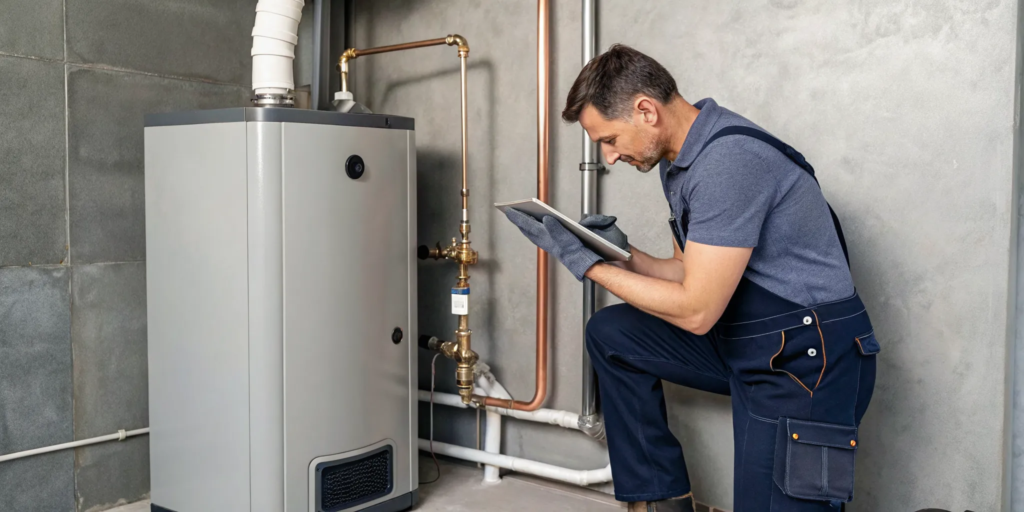
When you hire a professional, you’re paying for more than just a quick fix. You’re paying for their expertise and a thorough diagnostic process. A certified technician follows a disciplined checklist to find the root cause of the problem, not just treat a symptom. They use specialized equipment to measure gas pressure, check for proper combustion, test electrical components, and inspect the heat exchanger for tiny cracks that are invisible to the naked eye. These are the kinds of details that ensure a safe and reliable HVAC service, preventing a small issue from turning into a catastrophic failure down the road.
Red Flags: When to Call a Professional Immediately
Some furnace issues are more than just an inconvenience; they’re urgent warnings. If you notice a rotten egg smell near your furnace, leave your home immediately and call your gas company, then an HVAC professional. Other red flags include loud banging or scraping sounds, a burner flame that is yellow instead of blue, or a furnace that constantly turns on and off. These signs indicate a serious problem that needs immediate attention. If you see any of these warning signs, it’s time to call for a professional heating system repair. Don’t wait for the system to fail completely.
How to Keep Your Furnace Repair Costs Down
No one likes an unexpected repair bill. While you can’t prevent every issue, you can take simple, proactive steps to keep your furnace running smoothly and your repair costs low. Think of it as a little TLC for one of your home’s hardest-working appliances. By staying on top of a few key tasks, you can catch small problems before they turn into major headaches and extend the life of your system. It’s all about being prepared and knowing who to call when you need help.
The Power of Annual Maintenance
Scheduling an annual furnace tune-up is one of the smartest investments you can make for your home. A professional technician will clean, inspect, and test your system’s components, ensuring everything is working safely and efficiently. According to industry experts, this regular service is vital for avoiding major repairs and extending your furnace’s life. Yearly inspections allow a pro to spot worn-out parts before they cause a complete breakdown, saving you from a chilly house and a costly emergency call. It’s a small cost that prevents much larger problems down the road.
Why Regular Filter Changes Matter
Here’s a simple task you can do yourself that has a huge impact: change your furnace filter regularly. A dirty, clogged filter restricts airflow, forcing your furnace to work much harder to heat your home. This added strain can lead to overheating, component failure, and higher energy bills. Most filters should be changed every one to three months, but check the manufacturer’s recommendation. If you have pets or live with allergy sufferers, you may need to change it more often. This quick and inexpensive task protects your furnace from unnecessary wear and tear and helps maintain healthy indoor air quality.
Address Small Problems Early
Have you noticed your furnace making a strange rattling noise? Is one room colder than the others? Don’t ignore these little signs. Minor issues can quickly escalate into significant, expensive ones if left unaddressed. Getting yearly furnace inspections and tune-ups can catch small problems before they become big ones, but it’s also important to pay attention between appointments. If something seems off, it’s always better to be safe than sorry. Calling a professional for a quick diagnosis can prevent a simple fix from turning into a full system replacement, saving you a lot of stress and money.
Choosing the Right HVAC Tech in San Antonio
When your furnace needs attention, you want a trustworthy expert on the job. Finding a reliable HVAC company starts with confirming they have the right credentials. Licensed and certified technicians have demonstrated their knowledge and have met industry standards, giving you peace of mind that the work will be done correctly and safely. Here in San Antonio, look for a company with a long-standing reputation for honesty and quality. At Modern Air System, our team is made up of certified and background-checked technicians who are committed to providing clear, upfront pricing and dependable service for your family.
Frequently Asked Questions
Why do I have to pay a service call fee if the technician hasn’t fixed anything yet? Think of the service call fee as payment for a professional diagnosis. This fee covers the certified technician’s time, travel, and expertise to accurately identify the root cause of your furnace problem. It ensures you get a correct assessment instead of guessing. Many companies, including ours, will apply this fee toward the total cost of the repair if you decide to move forward with the work.
My furnace is over 15 years old. Is it ever worth repairing? This is a great question, and it really depends on the situation. If the furnace has been well-maintained and needs a minor, inexpensive repair, fixing it can be a smart move. However, if you’re facing a costly repair that’s close to half the price of a new unit, replacement is often the better long-term financial decision. Frequent breakdowns on an older furnace are also a strong sign that it’s time to invest in a new, more reliable system.
Why was my furnace repair quote so much higher than my friend’s? Furnace repair costs can vary widely because no two situations are identical. The final price depends heavily on the specific part that needs to be replaced, as a new control board is much more expensive than a simple flame sensor. Other factors include the age and brand of your furnace, as parts for some models can be harder to source. An honest technician will always provide a clear, itemized quote before starting any work.
What is the most important thing I can do to avoid expensive furnace repairs? The single best way to prevent costly, unexpected repairs is to schedule a professional furnace tune-up every fall. During this service, a technician cleans and inspects the entire system, catching small, worn-out parts before they can cause a major breakdown. Paired with the simple task of changing your air filter every one to three months, this preventative maintenance is the key to a long-lasting and reliable furnace.
Is it really that dangerous to try a simple furnace fix myself? While the temptation to save money with a DIY fix is understandable, it’s not worth the risk when it comes to a gas furnace. You are working with a combination of natural gas, high voltage electricity, and combustion, where a small mistake can have serious safety consequences, including gas leaks or carbon monoxide exposure. For your family’s safety and your own peace of mind, it’s always best to leave these jobs to a trained and certified professional.