
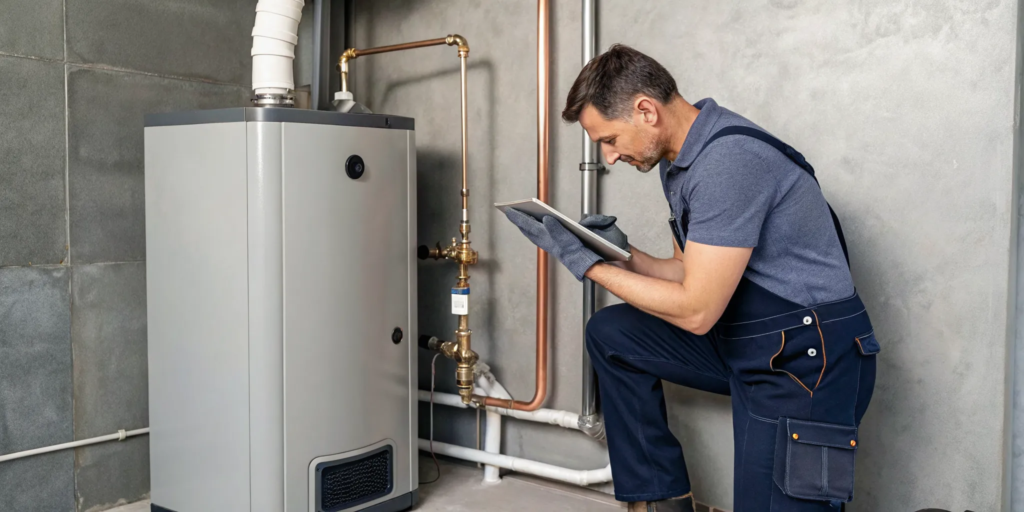
Cost to Fix a Gas Furnace: A Homeowner’s Price Guide

When you get a bill for a furnace repair, it can sometimes feel like you’re trying to read a foreign language. Between the service call fee, parts, and labor, it’s hard to know what you’re actually paying for. We believe you deserve clarity and honesty, especially when dealing with a stressful home repair. This article will break down all the components that make up the final cost to fix a gas furnace. We’ll explain why companies charge a diagnostic fee, how parts are priced, and what goes into the labor charge, so you can see exactly where your money is going. Our goal is to demystify the process and give you the confidence that you’re receiving fair, transparent service.

Key Takeaways

  • Anticipate the Full Cost: A furnace repair bill includes more than just the part itself; expect a diagnostic fee for the technician’s visit, labor costs, and higher rates for emergency calls outside of business hours.
  • Prioritize Preventative Care: You can avoid many expensive repairs with two simple actions: schedule a professional tune-up every year and change your furnace filter every one to three months to keep your system running efficiently.
  • Know When to Repair or Replace: Use the 50% rule to help you decide; if a repair on an old furnace costs half the price of a new unit, replacement is often the smarter choice. For your safety, always leave gas furnace work to a certified professional.

How Much Does a Gas Furnace Repair Cost?

When your furnace stops working on a chilly day, one of the first questions that comes to mind is, “How much is this going to cost?” The answer isn’t always simple, as the price can vary quite a bit. The final bill depends on what needs to be fixed, whether it’s an emergency, and the type of furnace you have. Understanding the different parts of a repair bill can help you feel more prepared and confident when you call a technician. Let’s break down what you can expect, from typical price ranges to the difference between a scheduled visit and an after-hours emergency call.

A Look at Typical Price Ranges

Generally, you can expect a gas furnace repair to cost anywhere from $100 to over $1,200. Most common fixes, like replacing a faulty flame sensor or ignitor, usually fall in the $150 to $600 range. However, if a major component like the blower motor or control board has failed, the cost will be on the higher end of that spectrum. The exact price for a heating system repair depends entirely on the specific part that needs to be replaced and the labor involved. A qualified technician can give you a precise quote after diagnosing the problem.

Understanding Service Call & Diagnostic Fees

Most HVAC companies charge a service call fee, sometimes called a diagnostic fee, just to come to your home and determine the cause of the problem. This is a standard industry practice that covers the certified technician’s time, expertise, and travel costs. This fee typically ranges from $75 to $150. Many reputable companies, including our team at Modern Air System, will apply this fee toward the total cost of the repair if you decide to move forward with the work. Think of it as the initial investment in getting an accurate, professional diagnosis for your heating system.

Emergency vs. Scheduled Repairs: What’s the Cost Difference?

If your furnace gives out in the middle of the night or over a holiday weekend, you’ll need an emergency repair, which costs more than a standard appointment. Emergency rates can be two to three times higher than regular service rates. This increased cost covers the technician’s on-call availability outside of normal business hours. While some issues require immediate attention, you can save a lot of money by waiting for a scheduled appointment if it’s not a true emergency. We offer same-day repairs to help you get your heat back on as quickly as possible during regular hours.

Common Furnace Repairs and Their Costs

When your furnace decides to take an unscheduled break, especially on a chilly San Antonio night, the first thought is often, “What is this going to cost me?” It’s a question that can bring a lot of stress, but having a general idea of potential costs can make the situation much more manageable. Furnace issues can range from simple fixes that a technician can handle quickly to more complex problems that require significant parts and labor. The final price tag will naturally vary.

To help you prepare, we’ve broken down some of the most frequent furnace problems we encounter and their typical cost ranges. Think of this as your price guide for getting your heat back on. While these are estimates, they can help you budget for a potential heating system repair and have a more informed conversation with your technician. Every furnace and home is different, of course, but this guide will give you a solid starting point for understanding the investment needed to get your home warm and cozy again. From a faulty sensor to a motor that’s given up, we’ll cover what to look for and what to expect on the bill.

Flame Sensor Replacement

A flame sensor is a small but mighty safety device. Its only job is to confirm that there’s a flame burning when your furnace’s gas valve is open. If it gets dirty or fails, it will shut the system down to prevent raw gas from pumping into your home. You might notice your furnace kick on for a few seconds and then immediately shut off. This is a classic sign of a flame sensor issue. Thankfully, cleaning or replacing it is a relatively quick and affordable fix, usually falling between $75 and $250.

Ignitor Replacement

If your furnace isn’t producing any heat, a bad ignitor could be the culprit. This component is responsible for lighting the gas that heats your home. Over time, these parts can become brittle and crack. You might hear your furnace’s blower motor running, but the telltale “whoosh” of the burners lighting never comes. Replacing an ignitor is a very common wear-and-tear repair. You can typically expect this service to cost between $150 and $300. It’s a straightforward job for a professional that will get your heat back on in no time.

Thermocouple Replacement

If you have an older furnace with a standing pilot light (a small, constant flame), it has a thermocouple. This safety device senses the heat from the pilot light and keeps the gas valve open. If the pilot light goes out, the thermocouple cools and signals the valve to close, stopping the flow of gas. If your pilot light refuses to stay lit, a faulty thermocouple is the likely reason. This is another safety-focused repair that is essential to get right. The cost for a replacement typically ranges from $100 to $300.

Gas Valve Replacement

The gas valve is a critical component that controls the flow of fuel to the burners. If it fails, your furnace may not get any gas to ignite, or worse, it could create a gas leak. Because of the serious safety implications, this is not a part to mess with. A faulty gas valve requires immediate professional attention. Depending on the complexity of the valve and your furnace model, a replacement can be one of the more expensive repairs, generally costing between $200 and $1,000.

Control Board Replacement

Think of the control board (or circuit board) as your furnace’s brain. It communicates with the thermostat and manages all the furnace’s functions, telling the ignitor to light, the gas valve to open, and the blower motor to run. If the board fails, it can cause all sorts of confusing problems, from the blower running nonstop to the furnace not responding at all. Because this part is so complex, a replacement can cost between $300 and $650. A technician can run diagnostics to confirm the board is the issue before replacing it.

Heat Exchanger Replacement

The heat exchanger is the heart of your furnace. It’s a set of metal coils that separates the air you breathe from the toxic combustion gases. When it cracks, it can leak dangerous carbon monoxide into your home. This is the most serious furnace failure you can have. A replacement is a major, labor-intensive job that can cost between $500 and $1,500. Due to the high cost and the fact that a cracked heat exchanger often happens in older units, this problem frequently leads to a conversation about replacing the entire furnace.

Blower Motor Repair

The blower motor is the powerful fan that circulates warm air through the ductwork and into your living spaces. If it fails, the furnace may produce heat, but that warmth will never reach you. You might hear loud squealing or grinding noises, or notice very weak airflow from your vents. A simple repair, like replacing a capacitor, might be on the lower end of the cost spectrum. However, if the entire motor needs to be replaced, you can expect to pay between $300 and $900. Keeping this motor running smoothly is key to your home’s comfort.

What Factors Affect Your Furnace Repair Bill?

When your furnace stops working, the first question on your mind is usually, “How much is this going to cost?” The truth is, there’s no single answer. The final price on your repair bill depends on several key factors, from the age of your unit to the specific part that failed. Understanding what goes into the cost can help you feel more prepared and confident when you get a quote. A trustworthy technician will walk you through the pricing, but knowing the basics ahead of time is always a smart move. Let’s break down the main elements that influence what you’ll pay to get your heat back on.

Your Furnace’s Age and Condition

The age and overall health of your furnace play a big role in the repair cost. Just like an older car, an aging furnace is more likely to have worn-out components. A simple repair might reveal other underlying issues that also need attention, leading to a higher bill. On the flip side, if your furnace is relatively new, it might still be under a manufacturer’s warranty. This warranty could cover the cost of expensive parts, leaving you to pay only for the labor. A well-maintained unit, regardless of age, will generally have fewer problems and less expensive repairs than one that has been neglected.

The Type of Repair Needed

Not all furnace problems are created equal. The complexity of the job is one of the biggest factors in your final bill. A simple fix, like cleaning a dirty flame sensor or replacing a thermocouple, is usually quick and requires an inexpensive part. These repairs will land on the lower end of the cost spectrum. However, if a major component has failed, like the blower motor or the control board, the repair becomes much more involved. These parts are more expensive, and replacing them takes more time and expertise, which will be reflected in the total cost.

Your Furnace Brand and Parts Availability

The brand of your furnace can also influence repair costs. Parts for common, well-known brands are often easier to find and may be less expensive than those for obscure or older models. If a technician has to special-order a part, it can add to the cost and the time you spend waiting in the cold. It’s also helpful to know that HVAC companies mark up the price of parts. This isn’t a hidden fee; it’s a standard practice that helps cover the costs of running a business, from sourcing and stocking parts to covering vehicle and insurance expenses.

Time of Year and Local Demand

When you need the repair can affect the price, especially in a place like San Antonio. During a sudden cold snap, HVAC companies get flooded with calls. This high demand can sometimes impact scheduling and the cost of emergency, after-hours service. If your furnace breaks down on a weekend or holiday, you can expect to pay a premium for immediate help. This is why we always recommend addressing small issues before they become big emergencies. A strange noise in November is much easier (and cheaper) to deal with than a complete breakdown during a freeze.

Watch Out for These Hidden Costs

What you see on your bill is more than just a part and an hour of labor. Reputable HVAC companies have many business expenses to cover to provide reliable service. These overhead costs include things like technician training and certification, insurance, vehicle maintenance, and dispatching software. These elements are what allow a company to offer professional services with certified, background-checked technicians who can get the job done right the first time. An honest company will provide upfront pricing that accounts for these factors, so you aren’t surprised by the final bill.

Repair or Replace Your Furnace: Making the Call

Deciding between a major furnace repair and a full replacement is one of the biggest financial choices a homeowner can face. It’s easy to feel stuck, weighing a significant upfront cost against what could become a series of smaller, frustrating repair bills. There isn’t a single right answer for everyone, but by looking at a few key factors, you can make a confident, informed decision for your home and budget.

The main things to consider are your furnace’s age, the frequency and cost of repairs, and its overall performance. Is it keeping your family comfortable, or are you constantly adjusting the thermostat and bundling up with blankets? Answering these questions honestly will point you in the right direction. Our goal at Modern Mechanical is to give you the clear, straightforward information you need, so you can choose the path that makes the most sense for you long-term. We’re always here to provide an honest assessment and help you explore your heating and cooling solutions.

Applying the 50% Rule

A helpful guideline many in the industry use is the “50% rule.” It’s a simple financial check to help you avoid investing too much money into an aging system. The rule is this: if your furnace is nearing the end of its typical 15 to 20-year lifespan and a proposed repair will cost 50% or more of what a brand-new furnace would, replacement is usually the more economical choice. Pouring that much cash into an old unit is often just a temporary fix, and you may find yourself facing another expensive repair sooner rather than later.

Signs It’s Time for a New Furnace

Sometimes, your furnace gives you clear signals that it’s ready to retire. If you’re experiencing frequent breakdowns that have you calling for repairs every season, it’s a major red flag. Another telltale sign is a sudden and steady increase in your energy bills, which indicates the unit is losing efficiency and working harder to do its job. You might also notice that it simply can’t keep your home as warm as it used to, leaving some rooms cold and drafty. When these issues start piling up, a new furnace often becomes a more reliable and cost-effective solution than another furnace repair.

When Repair Is the Smarter Choice

Of course, not every furnace problem calls for a total replacement. If your furnace is on the younger side, say less than 10 years old, and has been running reliably, a repair is often the best route. A single, straightforward fix for a component like an ignitor or a flame sensor on a newer system is a smart investment that can give you many more years of dependable service. As long as the repair cost is reasonable and it’s not part of a recurring pattern of breakdowns, fixing what you have is the most practical and budget-friendly option.

Factoring in Your Warranty

Before you make any decisions, take a moment to check your furnace’s warranty. If your system is still under warranty, it could significantly reduce the cost of a repair. Most manufacturer warranties cover the cost of replacement parts, but it’s important to remember that they typically do not cover the labor costs for the installation. Knowing what your warranty includes can help you accurately calculate your out-of-pocket expenses for a repair. This information is crucial when you’re weighing the cost of a fix against the price of a full replacement.

Is It Safe to DIY a Gas Furnace Repair?

I get it. When something breaks, the first instinct for many of us is to search for a YouTube tutorial and try to fix it ourselves to save a few bucks. While that can be a great approach for a leaky faucet, your gas furnace is a different story. When it comes to furnace repairs, safety has to be the top priority. Working with natural gas and complex electrical systems without proper training is incredibly risky. A simple mistake can have serious consequences, which is why most furnace work is best left to a certified professional.

The Dangers of DIY Furnace Repair

Let’s start with the most obvious risk: natural gas. An improper repair can easily lead to a gas leak, creating a fire or explosion hazard. Beyond that, there’s the silent danger of carbon monoxide (CO). A furnace that isn’t burning fuel correctly can release this odorless, colorless gas into your home. Professional technicians have specialized tools to detect these issues. Many homeowners think they can handle a repair on their own, but without the right knowledge, you could unknowingly put your family at risk or even void your manufacturer’s warranty. It’s just not worth the gamble.

What a Pro Looks For (That You Might Miss)

When you hire a professional, you’re paying for more than just a quick fix. You’re paying for their expertise and a thorough diagnostic process. A certified technician follows a disciplined checklist to find the root cause of the problem, not just treat a symptom. They use specialized equipment to measure gas pressure, check for proper combustion, test electrical components, and inspect the heat exchanger for tiny cracks that are invisible to the naked eye. These are the kinds of details that ensure a safe and reliable HVAC service, preventing a small issue from turning into a catastrophic failure down the road.

Red Flags: When to Call a Professional Immediately

Some furnace issues are more than just an inconvenience; they’re urgent warnings. If you notice a rotten egg smell near your furnace, leave your home immediately and call your gas company, then an HVAC professional. Other red flags include loud banging or scraping sounds, a burner flame that is yellow instead of blue, or a furnace that constantly turns on and off. These signs indicate a serious problem that needs immediate attention. If you see any of these warning signs, it’s time to call for a professional heating system repair. Don’t wait for the system to fail completely.

How to Keep Your Furnace Repair Costs Down

No one likes an unexpected repair bill. While you can’t prevent every issue, you can take simple, proactive steps to keep your furnace running smoothly and your repair costs low. Think of it as a little TLC for one of your home’s hardest-working appliances. By staying on top of a few key tasks, you can catch small problems before they turn into major headaches and extend the life of your system. It’s all about being prepared and knowing who to call when you need help.

The Power of Annual Maintenance

Scheduling an annual furnace tune-up is one of the smartest investments you can make for your home. A professional technician will clean, inspect, and test your system’s components, ensuring everything is working safely and efficiently. According to industry experts, this regular service is vital for avoiding major repairs and extending your furnace’s life. Yearly inspections allow a pro to spot worn-out parts before they cause a complete breakdown, saving you from a chilly house and a costly emergency call. It’s a small cost that prevents much larger problems down the road.

Why Regular Filter Changes Matter

Here’s a simple task you can do yourself that has a huge impact: change your furnace filter regularly. A dirty, clogged filter restricts airflow, forcing your furnace to work much harder to heat your home. This added strain can lead to overheating, component failure, and higher energy bills. Most filters should be changed every one to three months, but check the manufacturer’s recommendation. If you have pets or live with allergy sufferers, you may need to change it more often. This quick and inexpensive task protects your furnace from unnecessary wear and tear and helps maintain healthy indoor air quality.

Address Small Problems Early

Have you noticed your furnace making a strange rattling noise? Is one room colder than the others? Don’t ignore these little signs. Minor issues can quickly escalate into significant, expensive ones if left unaddressed. Getting yearly furnace inspections and tune-ups can catch small problems before they become big ones, but it’s also important to pay attention between appointments. If something seems off, it’s always better to be safe than sorry. Calling a professional for a quick diagnosis can prevent a simple fix from turning into a full system replacement, saving you a lot of stress and money.

Choosing the Right HVAC Tech in San Antonio

When your furnace needs attention, you want a trustworthy expert on the job. Finding a reliable HVAC company starts with confirming they have the right credentials. Licensed and certified technicians have demonstrated their knowledge and have met industry standards, giving you peace of mind that the work will be done correctly and safely. Here in San Antonio, look for a company with a long-standing reputation for honesty and quality. At Modern Air System, our team is made up of certified and background-checked technicians who are committed to providing clear, upfront pricing and dependable service for your family.

Frequently Asked Questions

Why do I have to pay a service call fee if the technician hasn’t fixed anything yet? Think of the service call fee as payment for a professional diagnosis. This fee covers the certified technician’s time, travel, and expertise to accurately identify the root cause of your furnace problem. It ensures you get a correct assessment instead of guessing. Many companies, including ours, will apply this fee toward the total cost of the repair if you decide to move forward with the work.

My furnace is over 15 years old. Is it ever worth repairing? This is a great question, and it really depends on the situation. If the furnace has been well-maintained and needs a minor, inexpensive repair, fixing it can be a smart move. However, if you’re facing a costly repair that’s close to half the price of a new unit, replacement is often the better long-term financial decision. Frequent breakdowns on an older furnace are also a strong sign that it’s time to invest in a new, more reliable system.

Why was my furnace repair quote so much higher than my friend’s? Furnace repair costs can vary widely because no two situations are identical. The final price depends heavily on the specific part that needs to be replaced, as a new control board is much more expensive than a simple flame sensor. Other factors include the age and brand of your furnace, as parts for some models can be harder to source. An honest technician will always provide a clear, itemized quote before starting any work.

What is the most important thing I can do to avoid expensive furnace repairs? The single best way to prevent costly, unexpected repairs is to schedule a professional furnace tune-up every fall. During this service, a technician cleans and inspects the entire system, catching small, worn-out parts before they can cause a major breakdown. Paired with the simple task of changing your air filter every one to three months, this preventative maintenance is the key to a long-lasting and reliable furnace.

Is it really that dangerous to try a simple furnace fix myself? While the temptation to save money with a DIY fix is understandable, it’s not worth the risk when it comes to a gas furnace. You are working with a combination of natural gas, high voltage electricity, and combustion, where a small mistake can have serious safety consequences, including gas leaks or carbon monoxide exposure. For your family’s safety and your own peace of mind, it’s always best to leave these jobs to a trained and certified professional.
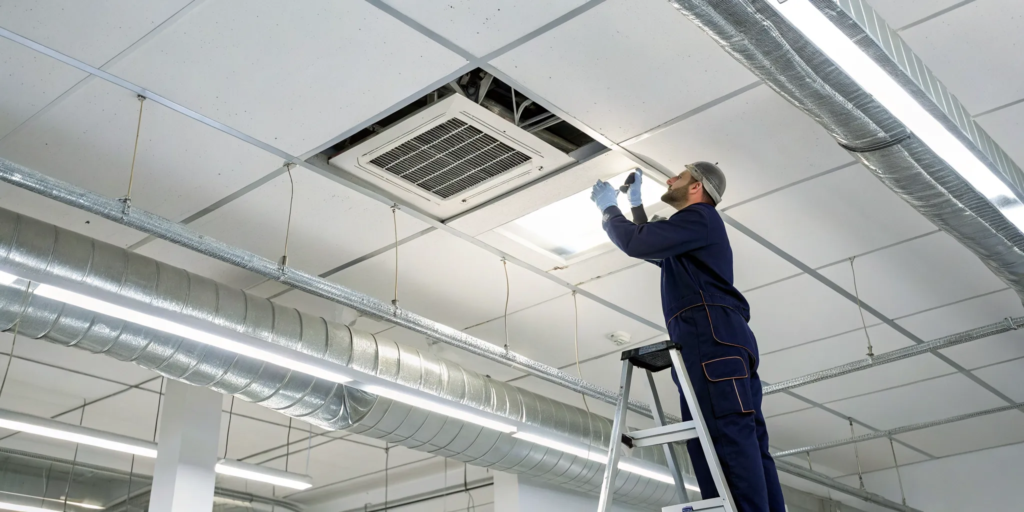
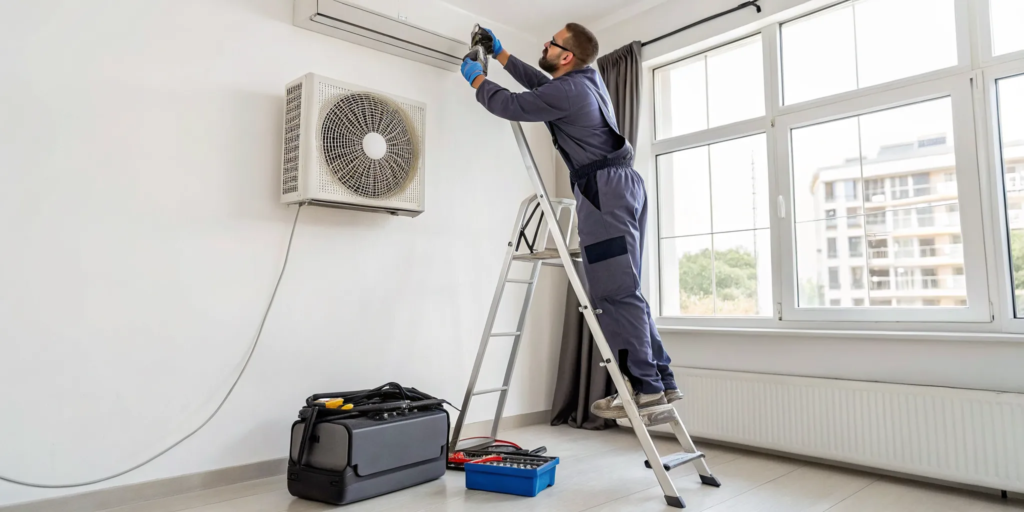
How Often Should Air Ducts Be Cleaned? A Simple Guide

If you’re constantly dusting, noticing a musty smell when the AC kicks on, or your allergies seem worse indoors, your home might be trying to tell you something. These common annoyances are often signs that your air ducts are filled with years of accumulated debris. Seeing these clues makes you wonder how often should air ducts be cleaned to keep them from becoming a problem. Instead of just treating the symptoms, we’ll help you get to the source. This guide covers the key warning signs that indicate it’s time for a professional cleaning.

Key Takeaways

  • Know your cleaning timeline: Plan for a professional cleaning every 3 to 5 years, but consider a 2 to 3 year schedule if you have pets, family members with allergies, or have recently renovated your home.
  • Watch for clear warning signs: Your home gives you clues when it’s time for a cleaning, such as excessive dust around vents, musty odors when the system runs, and allergy symptoms that get worse indoors.
  • Focus on health and efficiency: A professional duct cleaning is an investment that improves your home in two key ways: it removes allergens to create healthier air and helps your HVAC system run more efficiently, which can lower energy bills.

How Often Should You Clean Your Air Ducts?

It’s one of the most common questions we hear from homeowners in San Antonio: “How often do I really need to clean my air ducts?” You want to keep your home’s air fresh and your HVAC system running smoothly, but you also don’t want to pay for services you don’t need. The truth is, the right answer depends on your home and your family. While there’s a general guideline most experts agree on, several factors can change that timeline. Let’s break down what you need to know to find the perfect schedule for your home.

The General Rule: Every 3 to 5 Years

For the average household, the standard recommendation is to have your air ducts professionally cleaned every three to five years. This is the timeline suggested by the National Air Duct Cleaners Association (NADCA) and many other HVAC experts. This interval is usually enough to prevent a significant buildup of dust, dander, and other common debris that naturally accumulates over time. Think of it as a routine deep clean for your home’s respiratory system. Following this general rule helps maintain good indoor air quality and keeps your heating and cooling system from working harder than it has to.

Why There’s No One-Size-Fits-All Answer

While the three-to-five-year rule is a great starting point, it doesn’t apply to everyone. Your home might need more frequent cleanings, maybe every two to three years, if certain conditions apply. For instance, if you have furry pets that shed, their dander and hair can clog up your ductwork much faster. The same goes for households where someone suffers from allergies, asthma, or other respiratory issues. The EPA also suggests you should consider having your air ducts cleaned if you notice visible mold growth, signs of a pest infestation, or an unusual amount of dust. Living in a humid climate like ours in Texas can also contribute to conditions that may require more attention.

When to Clean Your Ducts More Often

Think of the 3-to-5-year rule as a starting point, not a strict deadline. Your home isn’t the same as your neighbor’s, and certain factors can significantly speed up the accumulation of dust and debris in your ductwork. If you find yourself dusting constantly or notice your allergies flaring up more than usual, your home might be telling you it’s time for a cleaning sooner rather than later.

Several common situations can put extra strain on your HVAC system and fill your ducts with contaminants. From welcoming a new furry friend into the family to completing that long-awaited kitchen remodel, life events can directly impact your indoor air quality. Understanding these triggers helps you stay ahead of the curve and decide when a professional duct cleaning is a smart investment for your home and family’s health. Let’s walk through a few scenarios where you might want to move that cleaning up on your to-do list.

You Have Pets

We love our furry family members, but they bring more than just joy into our homes. Pets shed dander, hair, and track in dirt and pollen from outside, all of which get pulled into your HVAC system. Over time, this debris builds up inside your ductwork, creating a reservoir of allergens. Every time your air conditioner or heater kicks on, these particles get recirculated throughout your home. If you have pets, especially ones that shed a lot, you’ll likely benefit from having your ducts cleaned every two to three years to reduce allergens and keep the air fresh.

Someone in Your Home Has Allergies or Asthma

If anyone in your household suffers from allergies, asthma, or other respiratory issues, clean air isn’t just a luxury; it’s a necessity. Air ducts can become a hiding place for common triggers like dust mites, pollen, mold spores, and pet dander. Circulating these irritants can worsen symptoms and make your home feel less like a sanctuary. For households with sensitive individuals, more frequent cleanings, perhaps every one to two years, can make a noticeable difference. Removing these trapped pollutants helps create a healthier breathing environment for everyone.

You’ve Recently Renovated

Home renovations are exciting, but they create a tremendous amount of dust and debris. Fine particles from drywall, wood, and insulation can easily find their way into your ductwork, even if you’ve covered the vents. This construction dust can then circulate through your home for months after the project is finished, settling on every surface and getting into your lungs. Scheduling a duct cleaning as the final step of your renovation is a great way to clear out all that lingering debris and start fresh in your newly updated space.

You Live in a Humid Climate

Here in San Antonio, we’re no strangers to humidity. Unfortunately, moisture combined with dark, dusty ducts creates the perfect breeding ground for mold and mildew. If you’ve ever noticed a persistent musty smell when your AC turns on, it could be a sign of microbial growth in your system. Because high humidity promotes this kind of growth, homes in our climate can benefit from more frequent duct cleaning. Staying on a two-to-three-year schedule helps prevent mold from taking hold and ensures the air circulating in your home is clean and healthy.

Your Home Gets Extra Dusty

Does it feel like you’re constantly fighting a losing battle with dust? Your location could be to blame. Living near a new construction zone, a busy road, or even in a rural area with a lot of open land can introduce more dust, dirt, and pollutants into your home. These external particles get sucked into your HVAC system and build up in the ducts over time. If your home seems to get dusty faster than average, you may need to clean your ducts more often, typically every two to three years, to keep up.

5 Telltale Signs Your Air Ducts Need Cleaning

Your home has a way of telling you when something isn’t right. While you can’t see inside your air ducts, they leave plenty of clues when they’re overdue for a cleaning. You might notice things that seem like minor annoyances, like a little extra dust or a room that’s always too warm. But often, these are direct signs that your ductwork is circulating dust, allergens, and debris throughout your home. Ignoring them can affect your home’s comfort, your energy bills, and even your family’s health.

Think of it like this: your HVAC system is the lungs of your home, and the ductwork is the respiratory tract. If it’s clogged and dirty, your whole home feels the effects. The good news is that you don’t have to be an HVAC expert to spot the warning signs. By paying attention to what your house is telling you, you can catch the problem early. If any of the following signs sound familiar, it might be time to schedule a professional duct cleaning and repair service.

Visible Dust Around Your Vents

Are you constantly wiping away dust from the surfaces around your air vents, only to see it return in a day or two? This is one of the most obvious signs your ducts are dirty. When your HVAC system runs, it pushes air through the ducts and out the vents. If the ducts are filled with dust and debris, that air carries those particles with it, blowing them directly into your living space. You might notice little puffs of dust when the system kicks on or see a fuzzy layer coating the vent grilles themselves. It’s a clear signal that your ducts are no longer just pathways for air, but reservoirs for dust.

A Musty Smell When the AC or Heater Kicks On

Your home’s air should smell clean and neutral. If you notice a stale, musty, or otherwise unpleasant odor the moment your air conditioner or furnace turns on, your ducts are the likely culprit. Over time, dust, dirt, and moisture can accumulate in your ductwork, creating a breeding ground for mold and mildew. This buildup produces a distinct smell that gets distributed throughout your home every time the system runs. Don’t just brush it off as “old house smell.” That odor is a red flag that you’re breathing in air contaminated with whatever is growing or decaying inside your vents.

Your Air Filters Get Dirty—Fast

Changing your HVAC air filter is a fantastic habit for maintaining your system. But if you find yourself replacing a completely clogged filter every month, something is off. Your air filter is designed to capture airborne particles before they enter your HVAC system. When it gets dirty that quickly, it means it’s working overtime to handle an excessive amount of dust. This is often because the ductwork itself is already loaded with debris, which gets recirculated every time the system runs. A rapidly dirtying filter is a strong indicator that the source of the dust is within the ducts themselves.

Weak or Uneven Airflow From Vents

Do you have a room that’s always freezing cold while another stays stubbornly warm? When dust, cobwebs, and other debris build up inside your ducts, they can create partial blockages that restrict airflow. This prevents conditioned air from reaching every room evenly, leading to uncomfortable hot and cold spots throughout your house. You might also notice that the air coming out of some vents feels weaker than others. This forces your HVAC system to work harder to cool or heat your home, which can lead to higher energy bills and unnecessary strain on the equipment.

Your Allergies Are Acting Up Indoors

If you or your family members are sneezing, coughing, or dealing with watery eyes more often at home, your air ducts could be to blame. Ductwork can become a collection point for common indoor allergens like dust mites, pet dander, pollen, and mold spores. Every time your HVAC system turns on, it circulates these irritants throughout every room in your house. For anyone with allergies, asthma, or other respiratory sensitivities, this can trigger constant symptoms. If you feel like your allergy symptoms get worse indoors, it’s a strong sign your air quality needs improvement, starting with your ducts.

Can Dirty Ducts Make You Sick?

It’s a question we hear a lot, and the short answer is yes, dirty air ducts can absolutely affect your health. Think of your ductwork as your home’s respiratory system. It circulates air to every room, and when it’s clean, everything runs smoothly. But when those ducts get clogged with dust, pet dander, pollen, and other debris, your HVAC system starts circulating those pollutants right along with the conditioned air. Every time your AC or heater kicks on, it can send a new wave of irritants floating through your living space.

This creates a cycle of poor indoor air quality that can be hard to escape. You’re essentially breathing in a concentrated mix of everything that has settled in your ducts over the years. For many people, this leads to a range of health issues that can be hard to pin down, from nagging allergy symptoms to feeling generally unwell. The American Lung Association notes that poor indoor air can contribute to infections and worsen chronic lung diseases. The good news is that you have control over your home’s air. Understanding how dirty ducts impact your well-being is the first step toward breathing easier.

Worsening Asthma and Respiratory Issues

If someone in your home lives with asthma or another respiratory condition, clean air isn’t a luxury; it’s a necessity. Dirty air ducts can make managing these conditions much more difficult. When your HVAC system circulates air filled with dust, mold spores, and other microscopic irritants, it can trigger asthma attacks and worsen symptoms of bronchitis. These particles can inflame the airways, leading to coughing, wheezing, and shortness of breath. For those with sensitive lungs, it’s like living with a constant environmental trigger. A professional duct cleaning removes these contaminants at the source, helping to create a safer and more comfortable breathing environment for everyone in your family.

Constant Allergy Symptoms

Do you find yourself sneezing, coughing, or dealing with a stuffy nose more at home than anywhere else? Your air ducts might be the problem. While seasonal allergies are common, dirty ducts can make you feel like you have them year-round. Your ductwork can become a reservoir for common allergens like dust mites, pet dander, pollen, and mold spores. Every time your system runs, it pushes these particles into the air you breathe. This constant exposure can keep your immune system on high alert, leading to persistent allergy symptoms like itchy eyes, a runny nose, and sinus pressure that never seem to go away.

Unexplained Headaches and Fatigue

Sometimes, the health effects of dirty ducts are less obvious than a sneezing fit. Have you ever felt tired for no reason or dealt with dull, persistent headaches at home? It could be linked to your indoor air quality. When you’re constantly breathing in low-quality air, your body has to work harder to get the oxygen it needs. This extra effort can leave you feeling drained and mentally foggy. Contaminants like mold and bacteria can also trigger inflammatory responses in the body, which can manifest as headaches and general fatigue. While many things can cause these symptoms, improving your indoor air quality is a simple and effective step toward feeling more energized and clear-headed at home.

The Dangers of Hidden Mold

Mold is one of the most serious contaminants that can grow in your ductwork, and it’s a particular concern in humid climates like ours in San Antonio. If moisture from condensation or a small leak gets into your ducts, it creates the perfect breeding ground for mold. The scary part is that you might not see or smell it. Hidden mold can thrive in the dark, damp environment of your air ducts, releasing millions of microscopic spores into your home’s air supply every day. For sensitive individuals, exposure can cause allergic reactions, asthma attacks, and other respiratory issues. A thorough, professional cleaning is the only way to safely remove mold and ensure it’s not compromising your family’s health.

The Payoff: Benefits of a Professional Duct Cleaning

Investing in a professional duct cleaning isn’t just about checking a box on your home maintenance list. It’s about making a real, noticeable improvement in your home’s comfort and your family’s well-being. When you clear out all the gunk hiding in your ductwork, you get some pretty great returns on that investment, from cleaner air to a healthier wallet.

Breathe Cleaner, Fresher Air

Think about how much time you spend inside your home. You deserve to breathe air that’s as clean as possible. Over the years, your air ducts can collect a surprising amount of dust, pet dander, pollen, and other debris. Every time your HVAC system turns on, it pushes some of those particles into the air you breathe. A thorough duct cleaning removes these built-up contaminants, allowing for better air circulation. This simple step can make a huge difference in the overall freshness of your home, helping you create a healthier indoor environment. It’s a satisfying feeling to know you’re not just circulating old dust around your living space day after day.

A More Efficient HVAC System (and Lower Bills)

When your air ducts are clogged with dust and debris, your HVAC system has to work much harder to push air through. It’s like trying to breathe through a stuffy nose; it takes more effort to get the job done. This extra strain means your system uses more energy, which directly translates to higher utility bills each month. By cleaning your ducts, you clear the path for air to flow freely. Your system can then operate at peak performance, just like it was designed to. This improved efficiency doesn’t just help you save money; it also reduces wear and tear on your equipment. Our comprehensive HVAC services ensure your entire system runs smoothly, from the ducts to the unit itself.

Help Your HVAC System Last Longer

Your HVAC system is one of the most expensive appliances in your home, so you want it to last as long as possible. Regular maintenance is key, and duct cleaning is a critical part of that. When ducts are dirty, the grime can find its way into the sensitive components of your furnace and air conditioner, causing them to work overtime and wear out faster. According to the National Air Duct Cleaners Association, failing to clean the entire system can lead to recontamination and minimize the benefits. A professional cleaning protects your investment by reducing strain and helping prevent costly breakdowns, ultimately extending the life of your entire HVAC system.

Create a Healthier Home Environment

While fresh air is a great start, a professional duct cleaning specifically targets the microscopic troublemakers that can impact your health. For anyone in your home with allergies, asthma, or other respiratory sensitivities, clean ducts can be a game-changer. Removing the built-up allergens like pollen, mold spores, and dust mites from your ductwork means they are no longer being circulated into your living spaces. This directly reduces the triggers that can cause sneezing, coughing, and congestion. By getting rid of these hidden irritants, you’re taking a proactive step toward making your home a more comfortable and healthier sanctuary for your family, especially its most sensitive members.

Busting 3 Common Air Duct Cleaning Myths

When it comes to air duct cleaning, a lot of misinformation can leave you wondering what’s actually true. It’s easy to put off a service when you’re not sure if you really need it, especially when you hear conflicting advice from neighbors, online articles, and even other companies. Let’s clear the air and tackle three of the most common myths we hear from homeowners right here in San Antonio. Understanding the facts can help you make a smart, confident decision for your home, your health, and your wallet.

As a family-owned business with decades of experience, we believe in giving you honest answers. Our goal isn’t to sell you a service you don’t need; it’s to ensure your home’s heating and cooling systems are running safely and efficiently for years to come. We’ve built our reputation on trust and transparency, which means giving you the real story. That’s why our certified technicians are always ready to provide upfront pricing and expert advice on all our HVAC services. Now, let’s separate fact from fiction.

Myth #1: “If I can’t see it, it’s not a problem.”

It’s natural to think that if your vents look clean on the outside, everything is fine on the inside. Unfortunately, this is one of the biggest misconceptions about ductwork. The real issue isn’t the dust you can easily wipe away; it’s the buildup you can’t see. According to the Environmental Protection Agency (EPA), much of the dirt and debris inside air ducts sticks to the surfaces and doesn’t necessarily blow out into your living space.

This hidden buildup can include dust mites, pet dander, pollen, and even mold, all of which accumulate over years. While it may be out of sight, this layer of grime can still impact your indoor air quality and force your HVAC system to work harder. So, even if your vents look spotless, the unseen contaminants lurking within your ductwork could still be a problem.

Myth #2: “Duct cleaning is a one-and-done job.”

Some people view duct cleaning as a one-time fix, while others think it needs to be done every year like clockwork. The truth is somewhere in the middle. The EPA advises that duct cleaning should be performed on an “as-needed” basis rather than as a routine annual task. For most homes, this translates to a professional cleaning every three to five years.

This timeframe helps maintain good air quality and system efficiency without performing unnecessary service. Of course, if you have pets, family members with allergies, or have recently completed a major home renovation, you might need a cleaning sooner. The key is to pay attention to the signs your home is giving you, not to stick to a rigid, one-size-fits-all schedule.

Myth #3: “Dirty ducts won’t impact my energy bills.”

It might seem like a little dust in your ducts couldn’t possibly affect something as big as your monthly energy bill, but it absolutely can. Think of your ductwork as the lungs of your home. When they are clogged with dirt and debris, your HVAC system has to work much harder to push air through to heat or cool your rooms.

This extra effort requires more energy, which directly translates to higher utility costs. As Direct Energy explains, a clean system is an efficient system. By having your air ducts professionally cleaned, you’re not just improving your home’s air quality; you’re also helping your HVAC unit run more efficiently. This can lead to noticeable savings on your energy bills and reduce strain on your system, potentially extending its lifespan.

What to Expect During a Professional Duct Cleaning

If you’ve never had your air ducts cleaned, you might picture someone just sticking a vacuum hose into your vents. The real process is much more thorough and technical. When you hire a professional team, they follow a systematic method to ensure every speck of dust and debris is removed from your ductwork without contaminating your home. It’s a fascinating process that combines powerful equipment with careful technique. Here’s a step-by-step look at what our certified technicians do during a service call.

The Setup: Creating Negative Pressure

The first and most critical step is to put your entire HVAC system under negative pressure. Think of it as turning your ductwork into a giant, sealed vacuum. Our technicians connect a powerful, truck-mounted vacuum system to your main duct line. According to the National Air Duct Cleaners Association (NADCA), this continuous vacuum is essential to prevent the spread of contaminants. It ensures that all the dust, dander, and debris we loosen in the next step gets sucked directly out of your home instead of being blown into your living spaces. This containment is what separates a professional job from a simple DIY attempt.

The Cleaning: Loosening and Removing Debris

Once the negative pressure is established, the actual cleaning begins. We can’t just rely on suction alone to pull out years of caked-on grime. Our technicians use specialized agitation tools, like high-powered air whips and rotating brushes, to scrub the inside surfaces of your ductwork. These tools are designed to dislodge stubborn contaminants from every nook and cranny. As the debris is knocked loose, the powerful vacuum immediately pulls it out of the ducts and into a secure containment unit outside your home. This combination of agitation and suction is the key to a truly deep clean for your home’s ductwork.

The Finish: Capturing Dust with HEPA Filters

So, where does all that collected gunk go? The powerful vacuum system funnels all the dust, allergens, and debris into a collection unit outside. But the process doesn’t stop there. To ensure we aren’t releasing those particles back into the air, the exhaust from our equipment is filtered through a HEPA (High-Efficiency Particulate Air) system. These filters are designed to trap microscopic particles that are invisible to the naked eye. This final step guarantees that the air being vented is clean, protecting both your family and the environment around your home. It’s our way of making sure the job is done right from start to finish.

Why DIY Duct Cleaning Falls Short

While the DIY spirit is admirable, air duct cleaning is one job best left to the professionals. Your household vacuum simply lacks the power to create the negative pressure needed to contain debris. Without it, you’re likely to just stir up dust and push it deeper into your system or, even worse, blow it directly into your rooms. You also won’t have the specialized agitation tools required to scrub the duct surfaces clean. As one industry expert notes, “The best way to clean air ducts that are heavily soiled or have mold and other contaminants is to hire a professional.” Attempting it yourself can make your air quality worse and leave the root of the problem untouched.

How to Keep Your Ducts Cleaner, Longer

After a professional duct cleaning, you want that fresh, clean feeling to last as long as possible. While you can’t stop dust from existing entirely, you can take a few simple steps to slow its buildup inside your ductwork. Think of it as preventative care for your home’s respiratory system. These habits not only extend the time between cleanings but also help your HVAC system run more efficiently, keeping your air quality high and your energy bills in check. It’s about working smarter, not harder, to maintain a healthier home environment. By incorporating these small routines, you’re investing in the longevity of your HVAC system and the quality of the air you breathe every day. It’s a proactive approach that pays off by saving you money and giving you peace of mind.

Change Your Air Filters Regularly

Your HVAC system’s air filter is the first line of defense against dust, pollen, and other particles. When it gets clogged, it can’t do its job, and all that gunk gets pulled directly into your ductwork. A dirty filter also forces your system to work harder, which can lead to higher energy costs and unnecessary strain. To keep your ducts cleaner, make a habit of changing your air filters every one to three months. If you have pets, live with allergy sufferers, or your home just seems to get dusty quickly, you may want to swap them out monthly. Set a recurring reminder on your phone so you never forget.

Consider Upgrading Your Air Filters

Not all air filters are created equal. While standard fiberglass filters catch large particles like lint and dust, they don’t do much for smaller irritants like pollen, pet dander, or mold spores. For better protection, you can use a higher-efficiency pleated filter with a higher MERV (Minimum Efficiency Reporting Value) rating. The higher the MERV rating, the smaller the particles it can trap. Just be sure to check your HVAC system’s manual first. Using a filter with a rating that’s too high for your unit can restrict airflow and strain the motor. When in doubt, ask a professional for a recommendation.

Keep Indoor Humidity in Check

Moisture is the number one ingredient for mold and mildew growth, and your dark, cool air ducts can be a prime breeding ground if conditions are right. Here in San Antonio, we know a thing or two about humidity, so managing it indoors is key. Aim to keep your home’s humidity level between 30% and 50%. You can do this by using exhaust fans in your kitchen and bathrooms, running a dehumidifier during muggy seasons, and ensuring your air conditioner is running properly, as it naturally removes moisture from the air. Controlling humidity is one of the most important things you can do to prevent biological growth in your ducts.

Protect Vents During Renovations

Planning a home improvement project? All that sanding, sawing, and demolition kicks up a massive amount of fine dust and debris. If your HVAC system is running, it will suck those particles right up and distribute them throughout your entire duct system, undoing all the benefits of a recent cleaning. Before you start any dusty work, turn off your system completely and seal off all your supply and return air vents with plastic sheeting and painter’s tape. Don’t turn the system back on until you’ve thoroughly cleaned up all the dust from the renovation area.

Schedule Annual HVAC Maintenance

One of the best ways to keep your ducts clean is to keep your entire HVAC system in top shape. During a routine maintenance visit, a technician inspects and cleans crucial components like the blower motor, evaporator coils, and drain pan. When these parts are dirty, they can become a source of dust and mold that gets blown directly into your ductwork. An annual tune-up ensures your system is running cleanly and efficiently, which helps prevent contaminants from ever reaching your ducts. Our certified technicians can perform a full system check to keep your air clean and your equipment running smoothly all year long.

So, Is Professional Air Duct Cleaning Worth It?

Let’s get straight to it: yes, professional air duct cleaning is an investment that pays off for your home and your family. It’s easy to forget about your ducts since they’re hidden behind walls and ceilings, but ignoring them can have a real impact on your home’s environment and your wallet. Think of it less as a cleaning chore and more as a tune-up for the system that delivers the air you breathe every single day. When you look at it that way, the value becomes much clearer.

The two biggest benefits come down to your health and your budget. Over time, your air ducts accumulate a surprising amount of dust, pet dander, pollen, and other irritants. Every time your HVAC system kicks on, it circulates these particles throughout your home. A thorough, professional cleaning removes this buildup, which is a game-changer for maintaining better indoor air quality and can be a huge relief for anyone with allergies or asthma. At the same time, clean ducts allow your HVAC system to work more efficiently. When air can flow freely without fighting through layers of debris, your system doesn’t have to work as hard, which can lead to lower energy bills.

To get these results, however, the job has to be done right. A quick vacuum around the vents won’t cut it. A professional service uses specialized tools, like high-powered vacuums and rotating brushes, to dislodge and capture contaminants deep within your ductwork. At Modern Air, our certified technicians use proven methods to ensure your entire system is cleaned from top to bottom. Investing in a professional duct cleaning and repair service is one of the most effective ways to create a healthier, more comfortable, and more efficient home environment.

Related Articles

Frequently Asked Questions

How long does a professional duct cleaning service usually take? The time it takes really depends on the size of your home and how complex your ductwork is, but you can generally expect the process to last between two to four hours. Our technicians are very thorough, as the job involves setting up powerful equipment, sealing off all your vents to create negative pressure, and then cleaning each individual duct run. It’s a detailed process, but we work efficiently to get your home’s air system back in top shape with minimal disruption to your day.

Will the cleaning process get dust all over my house? Not at all, and that’s the key difference a professional service makes. We use a powerful, truck-mounted vacuum to place your entire duct system under negative pressure. This means that as we use special tools to scrub the inside of the ducts, all the dust, dander, and debris is pulled directly out of your home and into a sealed containment unit. Your home stays clean because nothing gets a chance to escape into the air.

I’m really good about changing my air filters. Do I still need to get my ducts cleaned? Changing your filters regularly is one of the best things you can do for your HVAC system, so keep up the great work. However, even the best filters can’t catch everything. Over years, fine dust, pet dander, and other microscopic particles can still slip through and settle inside your ductwork. Think of your filter as the first line of defense, while a professional duct cleaning is the deep clean that removes the buildup that inevitably accumulates over time.

Is there a big difference between a cheap duct cleaning offer and a professional service? Yes, there is a huge difference. Those “too good to be true” offers often involve a “blow-and-go” method where a company just uses a shop vacuum at the vents. This can actually make your air quality worse by stirring up debris and pushing it further into your home. A reputable, certified company invests in the proper equipment to put the system under negative pressure and uses agitation tools to scrub the ducts clean. It’s an investment in doing the job correctly and safely the first time.

Will I actually notice a difference after the cleaning is done? Many homeowners report a noticeable improvement right away. The most common feedback we get is that the air simply smells fresher and cleaner, especially if there was a musty odor before. You may also find that you’re dusting less often and that allergy symptoms are less pronounced indoors. While not everyone will see a dramatic drop in their energy bills, you can rest assured that your HVAC system is running more efficiently, which contributes to its overall health and longevity.

Ductless AC Repair Service: A Complete Guide

Nothing causes a homeowner’s stomach to drop quite like a failing air conditioner, followed by the immediate worry: “How much is this going to cost?” The price of fixing a ductless system can vary widely, which only adds to the stress. A minor fix might be manageable, but a major component failure is another story. The key to navigating this uncertainty is working with a company that values transparency. This article breaks down the factors that influence repair costs, from the type of problem to the parts needed. We’ll give you a realistic look at potential expenses and, most importantly, show you how to find a ductless ac repair service that provides honest, upfront pricing so you can make a confident decision without any surprises.

Key Takeaways

  • Stay ahead of repairs with simple maintenance: You can prevent many problems by cleaning the filters monthly and keeping the outdoor unit clear of debris. An annual professional tune-up will keep your system running efficiently and protect your warranty.
  • Know when your system needs help: Don’t ignore key warning signs like poor cooling, strange noises, water leaks, or ice buildup. Calling for a repair as soon as you spot these issues can save you from a much bigger expense later on.
  • Hire a specialist for ductless repairs: Since mini-splits require specific skills, always choose a technician with proven ductless experience. Look for a company that provides upfront pricing and a guarantee on their work for a quality, stress-free repair.

What Is a Ductless AC System?

If you’ve ever struggled with a room that’s always too hot or too cold, or if you live in a home without traditional ductwork, a ductless AC system might be the perfect solution. Often called mini-splits, these systems are a modern alternative to the standard furnace and air conditioner combination. They give you precise control over the temperature in individual rooms or zones, which is a fantastic way to keep everyone comfortable and save on energy bills. A ductless system has two main parts: an outdoor compressor and one or more indoor air-handling units. These are connected by a small conduit, so there’s no need for bulky, expensive ductwork. This makes them ideal for older homes, new additions, or even just for targeting specific areas. Our team provides a full range of services for these systems, from installation to repair.

How Do Mini-Splits Work?

The magic of a mini-split is in its simplicity and efficiency. The outdoor unit absorbs or releases heat, while the indoor unit, mounted on a wall or ceiling, delivers the cool or warm air directly into your space. Because they transfer heat instead of generating it, they use significantly less energy than traditional systems. Best of all, they’re not just for cooling. Mini-splits are heat pumps, meaning they can both cool your home in the summer and heat it in the winter. Since you get your heating and cooling from the same unit, you only have to schedule tune-ups for one system instead of two, which simplifies your home maintenance routine.

Busting Common Ductless Myths

Because ductless technology is still new to many homeowners, a few myths about their pros and cons are still circulating. Let’s clear the air on a couple of them. One common myth is that ductless systems are difficult to maintain. In reality, the maintenance for a ductless system is quite low and easy for most homeowners. It mainly involves washing the reusable filters every month or so to keep the air flowing freely. Another misconception is that they are only for cooling. As we mentioned, mini-splits are excellent heaters, providing cozy, consistent warmth even on chilly Texas nights, making them a true year-round comfort solution.

Signs Your Ductless AC Needs Repair

Ductless mini-splits are fantastic for their efficiency and quiet operation, but they aren’t invincible. Just like any hardworking appliance, they can show signs of trouble. Paying attention to your system and catching these little warnings early can be the difference between a quick, simple fix and a major, costly headache. If your ductless AC starts acting up, don’t ignore it. Think of these signs as your system’s way of asking for a little help. Knowing what to look for is the first step in keeping your home comfortable and your repair bills low.

It’s Not Cooling Right

Is your ductless unit running, but your room still feels warm and stuffy? If the air coming out feels weak or isn’t as cold as it used to be, that’s a clear red flag. Your AC should have no problem maintaining the temperature you set on the remote. When it struggles, it’s often a sign of an underlying issue. It could be something as simple as a clogged air filter restricting airflow, but it can also point to more serious problems like a refrigerant leak or a failing compressor. An AC that isn’t cooling properly is working harder than it needs to, which also drives up your energy bills. If a quick filter clean doesn’t solve it, it’s time for a professional look.

Hearing Strange Noises?

One of the best things about ductless systems is how quiet they are. So, when your unit starts making new and unusual sounds, you should pay attention. Noises like grinding, rattling, squealing, or buzzing are not normal. A grinding sound could indicate a problem with the motor’s bearings, while rattling might just be a loose panel or debris in the outdoor unit. Squealing often points to issues with the fan motor or belt. These sounds are mechanical components in distress. Ignoring them is like ignoring the check engine light in your car; the problem will likely get worse and lead to a more significant breakdown. Turning the system off and calling for a ductless cooling service is the safest move.

Spotting Leaks and Ice Buildup

You should never see water dripping from your indoor unit or ice forming on its coils. If you spot moisture stains on the wall below your unit or active dripping, it’s often caused by a clogged condensate drain line. This line is supposed to carry moisture safely outside, but when it gets blocked with dust or algae, the water backs up and spills into your home. Ice buildup is another major concern. It usually means there’s a problem with airflow, like a dirty filter, or that the system is low on refrigerant. Don’t try to scrape the ice off yourself, as you could damage the delicate coils. Instead, turn the unit off to let it thaw and schedule a professional air conditioning repair.

The Problem with Refrigerant Leaks

Refrigerant is the essential substance that allows your AC to absorb heat from inside your home and release it outside. Your ductless system is a closed loop, meaning it should never lose refrigerant. If it does, you have a leak. Signs of a refrigerant leak include poor cooling performance, a hissing sound coming from the unit, or ice forming on the evaporator coils. A system low on refrigerant will run constantly trying to cool your space, wasting energy and putting immense strain on the compressor. Topping off the refrigerant without fixing the leak is only a temporary fix. A certified technician needs to find and repair the leak and then recharge the system to the correct level.

Your System Won’t Turn On

If your ductless AC won’t turn on at all, it’s obviously a major issue. Before you panic, do a couple of quick checks. Is the remote control working? Try replacing the batteries. Next, check your home’s electrical panel to see if the circuit breaker for the AC has tripped. If you’ve tried these simple steps and the unit is still unresponsive, it’s time to call for help. The problem could be anything from a faulty thermostat or wiring issue to a failed capacitor or a dead compressor. A professional technician can safely diagnose the electrical components and determine the root cause, letting you know if it’s a repairable issue or if the unit needs to be replaced.

Simple Ductless AC Troubleshooting You Can Do Yourself

When your ductless AC starts acting up, your first thought might be to call for a repair. While some issues definitely need a professional, you can often solve minor problems yourself with a few simple checks. Before you pick up the phone, walking through these troubleshooting steps can save you time and money. It’s all about ruling out the easy stuff first, and you might be surprised at what you can fix on your own.

Check the Thermostat and Remote

It sounds almost too simple, but you’d be surprised how often the fix is right in your hand. Before you do anything else, grab your remote control. First, check that it’s set to “cool” and not “heat” or “fan.” Next, make sure the temperature is set lower than the current room temperature. If the unit still isn’t responding, try replacing the batteries in the remote, as a weak signal can sometimes be the culprit. This quick check is the easiest first step and can often get your system back to cooling your room in minutes without any fuss.

Inspect and Clean the Air Filters

Your mini-split’s air filters are essential for keeping it running efficiently. When they get clogged with dust and debris, they restrict airflow, forcing your system to work much harder to cool your home. This not only reduces its cooling power but can also drive up your energy bills. Most ductless units have washable filters that are easy to access. Just pop them out, rinse them gently with water, and let them dry completely before putting them back in. Doing this once a month is a great habit that supports your system’s performance and improves your home’s air quality. Regular maintenance is key to a long-lasting unit.

Clear Away Outdoor Debris

Your ductless system has an outdoor component that needs to breathe. If the area around this unit is cluttered, it can’t properly release heat, which causes it to overheat and perform poorly. Take a quick walk outside and check on it. Are there leaves, grass clippings, or weeds piled up against it? Are bushes or other plants growing too close? You’ll want to clear away any debris and trim back vegetation to give the unit at least two feet of open space on all sides. This simple bit of yard work ensures air can flow freely, allowing your AC to operate efficiently and avoid unnecessary strain.

Look for Ice or Water

While you’re checking things out, keep an eye out for two major red flags: ice on the coils or water dripping from the indoor unit. Ice buildup usually points to a problem with airflow (like a dirty filter) or low refrigerant levels. Water leaks often mean you have a clogged drain line. While a dirty filter is an easy fix, these other issues are signs of a more complex problem. If you spot ice or a leak, it’s best not to ignore it. These problems can lead to bigger, more expensive damage if left unaddressed, so it’s time to call for a professional repair.

When to Call a Pro for Ductless AC Repair

While you can handle some basic troubleshooting on your own, certain problems are clear signs that you need a professional. After you’ve checked the simple things like filters and power, more complex issues require an expert touch. Trying to fix electrical components or refrigerant lines yourself can be dangerous and may void your warranty. A certified technician has the tools and training to diagnose the problem safely and accurately, ensuring the repair is done right the first time. Knowing when to step back and call for help is key to protecting your system and your home.

Signs It’s Time for an Expert

If your ductless system shows any of these symptoms, it’s time to put down the remote and pick up the phone. Call for professional service right away if you notice your unit isn’t cooling effectively, is making strange grinding or squealing noises, or is leaking water. Other major red flags include ice building up on the coils, musty or foul odors coming from the vents, or weak airflow that doesn’t improve after cleaning the filter. Ignoring these issues can turn a simple fix into a much bigger, more expensive problem down the line.

Why You Shouldn’t Wait to Call for Help

It can be tempting to ignore a small issue with your AC, hoping it will just go away. Unfortunately, that’s rarely the case. Postponing a repair almost always leads to more significant damage and a higher bill. While ductless systems are known for being relatively low-maintenance, they aren’t invincible. Think of a service call as a proactive step. Promptly addressing a problem not only fixes the immediate issue but also extends the life of your system by preventing further wear and tear. Taking care of a repair as soon as you spot it is the best way to protect your investment and ensure your home stays comfortable.

Keep Your Ductless AC Running Smoothly: A Maintenance Checklist

A ductless mini-split system is a fantastic investment in your home’s comfort, but like any hardworking appliance, it needs a little TLC to perform its best. The good news is that staying on top of maintenance is easier than you might think. A few simple habits can make a world of difference, helping you avoid surprise breakdowns, keep your energy bills in check, and ensure your system lasts for years to come.

Think of it as a simple wellness plan for your AC. By following a basic checklist, you can handle the small stuff yourself and know exactly when to call for backup. This proactive approach not only saves you money on potential repairs but also gives you peace of mind, knowing your system is running efficiently and safely. Ready to get started? Here’s a straightforward maintenance schedule to keep your ductless AC in top shape.

Monthly: Clean Filters and Surfaces

Your ductless system’s air filters are its first line of defense, trapping dust, pollen, and other particles to keep your indoor air clean. When they get clogged, your system has to work much harder to pull in air, which reduces efficiency and can strain the motor. At least once a month, take a few minutes to clean them. Simply turn off the unit, open the front panel, and slide the filters out. Most are reusable, so you can wash them with gentle soap and water, let them air dry completely, and pop them back in. While you’re at it, wipe down the exterior of the indoor unit with a soft cloth to keep it looking fresh.

Year-Round: Keep the Outdoor Unit Clear

Your system’s outdoor unit, or condenser, needs room to breathe. Its job is to release heat from your home, and it can’t do that effectively if it’s surrounded by clutter. Make a habit of checking on it throughout the year. Clear away any leaves, grass clippings, twigs, or other debris that may have collected around it. It’s also a good idea to trim back any nearby bushes, shrubs, or plants, leaving at least two feet of clear space on all sides. This simple step ensures proper airflow and helps prevent your system from overworking, especially during our hot San Antonio summers. For more tips, you can review a helpful mini-split maintenance guide.

Regularly: Check the Drainage Lines

Your indoor unit produces condensation as it cools the air, which is carried away through a drain line. If this line becomes clogged with algae or debris, water can back up and leak into your home, potentially causing water damage and creating a musty smell. You can spot a problem if you see water dripping from the indoor unit. While some suggest using vinegar to clear minor clogs, a blocked drain line is often best left to a professional. A technician can safely and thoroughly clear the line without risking damage to your system’s sensitive parts, ensuring everything flows exactly as it should.

Annually: Schedule a Professional Tune-Up

While DIY tasks are important, nothing replaces an annual professional tune-up. We recommend scheduling a service visit each spring to get your system ready for the cooling season. If you use your mini-split for heating, too, it’s wise to have it checked in the fall as well. During a tune-up, a certified technician will perform a comprehensive inspection, including cleaning the coils, checking refrigerant levels, testing electrical connections, and ensuring the entire system is operating safely and at peak efficiency. This preventative ductless AC service catches small issues before they become expensive problems.

Protect Your Warranty with Regular Maintenance

Did you know that most manufacturer warranties require proof of regular professional maintenance? Skipping your annual tune-up could void your warranty, leaving you on the hook for the full cost of any future repairs. Beyond protecting your warranty, consistent upkeep is a smart financial move. A well-maintained system can last years longer than a neglected one and runs more efficiently, which can lower your monthly energy bills. Taking care of your ductless AC is a small investment that pays off with reliable comfort, lower costs, and a longer lifespan for your system.

What Does Ductless AC Repair Cost?

Let’s talk about one of the biggest questions on your mind when your AC stops working: how much is this going to cost? The truth is, the price for a ductless AC repair can vary quite a bit. It’s not like buying a product off a shelf with a set price tag. The final bill depends on what’s wrong with your system, which parts are needed, and the labor involved. A minor fix might only set you back a couple of hundred dollars, while a major component failure could be significantly more.

Because the range is so wide, it’s essential to work with a company that provides honest, upfront pricing. After a technician diagnoses the problem, you should receive a clear quote detailing the costs before any work begins. This transparency helps you avoid surprises and make an informed decision without any pressure. While online estimates are a good starting point, remember that only a professional inspection can give you a precise figure for your specific situation. The goal is to get your home comfortable again without breaking the bank, and understanding the potential costs is the first step.

Estimates for Common Repairs

To give you a general idea of what to expect, it helps to look at some typical repair scenarios. Keep in mind these are just ballpark figures, and your actual cost will depend on your specific unit and the technician’s diagnosis. According to some industry experts, a few common mini-split repairs include replacing a compressor, which can range from $600 to $1,500, or repairing a condenser coil for $500 to $1,200. Something like a refrigerant line replacement might fall between $400 and $800. On top of parts, labor costs typically add about $75 to $150 per hour.

What Influences the Final Price?

Several factors can affect your final repair bill. The age and brand of your ductless system play a big role, as parts for older or less common models can be harder to find and more expensive. The complexity of the repair itself is another major factor. A simple fix like clearing a clogged drain line will cost much less than replacing a critical component like the main circuit board. Your system’s warranty can also make a huge difference, as it may cover the cost of parts, labor, or both. Finally, the type of system you have, such as a single-zone versus a multi-zone unit, can also influence repair costs.

Repair or Replace? How to Decide

At some point, you might face the classic dilemma: is it better to repair your current ductless unit or replace it entirely? A good rule of thumb is to consider replacement if the repair cost is approaching 50% of the price of a new system. For example, if you’re looking at a repair bill that’s getting close to $5,000, it’s wise to weigh your options carefully. Investing that money in a new, high-efficiency model could be a smarter long-term decision. A new unit will not only come with a fresh warranty but will also likely lower your monthly energy bills and provide more reliable comfort for years to come. Our team can help you compare the costs and benefits of both options to find the right solution for your home and budget.

Choosing the Right Ductless AC Repair Service

Finding the right person to fix your ductless AC can feel like a big task, especially when your home is getting warmer by the minute. You want someone who can get the job done quickly, but you also need a technician you can trust to do it right. The last thing you want is a temporary patch-up that leads to another breakdown a few weeks later. Choosing a reliable repair service is about more than just a quick fix; it’s an investment in your home’s comfort and your system’s longevity.

Not all HVAC companies have the same level of expertise, particularly when it comes to mini-split systems. These units are different from traditional central air, and they require a specific skill set. When you’re searching for a pro, you’re looking for a partner who understands the ins and outs of ductless technology. From checking for specific experience to demanding clear pricing, there are a few key things to keep in mind. Taking a little time to vet your options will help you find a company that values quality work and customer satisfaction, ensuring your system gets the expert care it deserves. We’ll walk through exactly what to look for.

Look for Mini-Split Experience

Ductless systems aren’t just smaller versions of central AC units; they have their own unique components and technology. That’s why it’s so important to find a technician with specific, hands-on experience repairing mini-splits. A pro who primarily works on traditional systems might not be familiar with the common issues or diagnostic procedures for a ductless model. An experienced technician will know exactly what to look for, leading to a faster, more accurate repair. When you call a company, don’t be shy about asking if their team is trained to work on ductless cooling solutions and if they service your specific brand, whether it’s Mitsubishi, Daikin, Fujitsu, or another major name.

Demand Upfront, Honest Pricing

Nothing adds stress to a repair situation like hidden fees and surprise charges on the final bill. A trustworthy HVAC company will always be transparent about its costs. Look for a service provider that offers upfront, honest pricing, giving you a clear estimate before any work begins. This practice shows that the company respects your budget and isn’t using pressure tactics to make a sale. When you know the cost ahead of time, you can make an informed decision without worrying about unexpected expenses. This transparency is a hallmark of a professional, customer-focused business that wants to build a long-term relationship with you.

Check for Same-Day Service

When your air conditioner gives out during a sweltering San Antonio summer, waiting days for a repair just isn’t an option. Your comfort and safety are on the line. That’s why it’s a good idea to find a company that offers same-day service. A provider with a responsive team shows they understand the urgency of a broken AC and are equipped to handle emergencies promptly. This level of commitment means they have the staff and resources ready to go, so you won’t be left sweating it out. Prioritizing companies that can provide fast and reliable air conditioning repair will give you peace of mind when you need it most.

Ask About Guarantees and Maintenance Plans

A great repair is one that lasts. Before you hire a technician, ask about any guarantees they offer on their parts and labor. A company that stands behind its work will provide a warranty, giving you confidence that the fix is solid. Beyond the immediate repair, consider a company that can help you prevent future problems. Many reputable providers offer maintenance plans designed to keep your ductless system running efficiently year-round. These plans often include regular tune-ups, which can catch small issues before they become major headaches, saving you money and extending the life of your AC.

Ductless AC vs. Traditional HVAC: Is the Upgrade Worth It?

If you’re weighing your cooling options, you’ve probably heard about ductless mini-split systems. They look different from the central air units many of us grew up with, and they work differently, too. While traditional HVAC systems use a network of ducts to push cool air throughout your entire home, ductless systems give you room-by-room control. But is making the switch from a familiar central AC system really worth it? Let’s break down the key advantages of going ductless so you can decide what’s best for your San Antonio home.

Save Energy and Money

One of the biggest draws of a ductless system is its potential for significant energy savings. Because you aren’t cooling empty rooms, you use less electricity, which translates directly to lower monthly bills. Ductless units are incredibly efficient and avoid the energy loss that often happens in leaky ductwork, a common issue in older homes. While mini-splits generally require less upkeep than central air, they still need regular care to run at their best. A simple professional tune-up ensures your system stays efficient, preventing surprise repairs and keeping those energy costs down. Plus, since many models provide both heating and cooling, you’re only maintaining one system instead of two.

Enjoy Zoned Comfort and Flexible Installation

Have you ever fought with your family over the thermostat? Ductless systems can bring peace to your home with zoned comfort. Each indoor unit has its own thermostat, allowing you to set different temperatures in different rooms. You can keep the living room cool while you’re using it and turn off the unit in an empty guest room. This flexibility also extends to installation. Since they don’t need ductwork, ductless cooling solutions are perfect for home additions, converted garages, or historic houses where installing ducts would be a major, costly project. The installation process is typically faster and less invasive than putting in a whole new central HVAC system.

Breathe Cleaner Air

If allergies are a concern in your household, a ductless system can be a game-changer for your indoor air quality. Traditional systems push air through ducts that can accumulate dust, pollen, pet dander, and even mold over time. Ductless units deliver air directly into the room, passing it through a multi-stage filtration system that captures airborne particles. With no ducts, there’s nowhere for allergens to hide and build up. Of course, you’ll need to clean the filters regularly to keep the air fresh and the system running efficiently. It’s a small task that makes a big difference in the quality of the air you and your family breathe every day.

Need Ductless AC Repair in San Antonio?

If your ductless AC is acting up and you’re looking for reliable repair in San Antonio, you’ve come to the right place. At Modern Air System, we combine over 25 years of experience with the personal touch of a family-owned business to get your home comfortable again, fast. We understand that a broken AC is a major headache, especially in the Texas heat. That’s why our team is ready to provide prompt, professional service you can count on. We’re equipped to handle any issue, regardless of the brand, and our team is committed to providing an honest and stress-free experience from start to finish.

We Service All Major Brands

Ductless systems are a fantastic modern alternative to traditional HVAC, and they’ve become incredibly popular with homeowners here in Texas. While these convenient mini-splits are great, we know there are still a lot of myths and questions about how they work and who can fix them. You can put those worries aside. Our technicians are trained and certified to service all major brands of ductless systems. Whether you have a Mitsubishi, Daikin, Fujitsu, or another brand, we have the expertise and the right tools to diagnose the issue accurately and perform a lasting repair. You don’t have to hunt for a brand-specific specialist; we’re your one-stop shop for all ductless AC services.

What to Expect from Our Team

When you call us for a repair, you’re trusting us with your home and your comfort. We take that trust seriously. You can expect a certified, background-checked technician to arrive on time, treat your home with respect, and provide honest, upfront pricing before any work begins. We’ll never try to sell you a service you don’t need. In fact, we pride ourselves on being the trustworthy second opinion that saves you from unnecessary expenses. Our goal is to provide prompt, effective repairs that solve your problem the first time. If for any reason you’re not completely satisfied, we’ll do what it takes to make it right. That’s the Modern Air System promise.

Frequently Asked Questions

Can a ductless system really heat my home during a Texas winter? Absolutely. Mini-splits are actually heat pumps, which means they are designed to provide both cooling and heating from a single unit. They are very efficient at warming your space and are more than capable of handling our mild San Antonio winters. Instead of generating heat, they move it from the outside air into your home, providing a steady and comfortable warmth without the dry air you sometimes get from a traditional furnace.

Is it a big deal if I forget to clean the filters for a couple of months? It might seem like a small task, but a clean filter is critical for your system’s health and efficiency. When the filter gets clogged with dust, it forces the unit to work much harder to pull in air. This not only drives up your energy bill but can also lead to bigger issues, like the coils freezing over. Think of it as a quick five-minute chore that protects your investment and keeps your air quality high.

My indoor unit is dripping water. What should I do? If you see water dripping from the indoor unit, it’s a clear sign that the condensate drain line is clogged. This line is supposed to carry moisture outside, but when it gets blocked, the water has nowhere to go but back into your room. The best first step is to turn the system off to prevent any potential water damage to your wall or floor. This is a job best left to a professional, who can safely clear the line without damaging any sensitive components.

Are ductless systems only for new homes or additions? Not at all. While they are a perfect solution for home additions, converted garages, or sunrooms, they are also fantastic for older homes that were built without ductwork. Installing traditional ducts can be an expensive and invasive process, but a mini-split can be installed with minimal disruption. They are also a great way to solve comfort issues in specific rooms of a house that already has central air, like a bedroom that’s always too warm.

How do I know if it’s better to repair my old ductless unit or just replace it? That’s a great question, and it often comes down to cost. A good guideline to follow is the 50% rule: if the cost of a repair is 50% or more of the price of a brand new system, it’s usually smarter to invest in a replacement. A new unit will be more energy-efficient, which lowers your monthly bills, and it comes with a fresh warranty for your peace of mind. A technician can give you a clear quote for the repair and help you weigh the long-term benefits of each option.