
Heat Pump Installation San Antonio TX: Complete Guide to Efficiency

Need expert guidance on heat pump installation San Antonio TX homeowners trust? Call (210) 222-0201 for your free estimate today.

For San Antonio homeowners, military families at Joint Base San Antonio, and commercial property managers, maintaining a reliable indoor climate is a critical safety requirement. Our weather presents extreme challenges. We average 74 days over 100 degrees each summer. Humidity is intense, and mild winters can suddenly turn into freezing storms. Managing these temperature swings requires efficient HVAC technology that transitions between cooling and heating modes.

As a family-owned HVAC provider with over 25 years of hands-on experience, Modern Air System (also operating as Modern Mechanical) understands local operational demands. We apply military-grade safety standards with rigorous background checks and JBSA-approved security clearances. Every installation provides total peace of mind. While traditional setups use a separate AC and furnace, modern air-source heat pumps represent a highly effective alternative. This technology transforms how property owners approach year-round comfort. Explore how these units operate and make an informed decision about heat pump installation in San Antonio for your home or business.

Heat Pump Installation San Antonio TX: How Heat Pumps Work in South Texas

An air-source heat pump transfers heat rather than generating it. It uses a refrigeration cycle to move thermal energy between your home and the outdoors. This process delivers up to four times more heat energy than the electricity it consumes. It is the most efficient year-round HVAC option for San Antonio climate.

The key difference between a heat pump and a furnace is how they create warmth. A furnace must generate heat by burning natural gas or using electric resistance elements. This is energy-intensive and limited by the laws of thermodynamics. A heat pump relies on heat transfer instead. It uses a refrigeration cycle to move existing heat from one place to another.

According to the U.S. Department of Energy, air-source heat pumps deliver two to four times more heat energy than the electricity they consume. This makes them far more efficient than electric resistance heaters. In our local climate with intermittent heating needs, this advantage means lower operating costs and less strain on the electrical grid.

The Physics of Heat Transfer

Heat transfer uses a closed-loop system of refrigerant, compressor, and expansion valve. During San Antonio summers, the heat pump works like a standard AC. The indoor coil absorbs heat from your home, vaporizing the refrigerant. The compressor pumps hot gas to the outdoor coil. It releases the captured heat into the outside air. High-efficiency heat pumps also provide better dehumidification than standard ACs. By running longer, lower-speed cycles, they remove more moisture. This is essential for comfort during humid South Texas summers.

When winter arrives, the system reverses the cycle. A reversing valve changes refrigerant flow direction. The outdoor coil becomes the evaporator, extracting heat from cold outdoor air. The compressor pumps that heat indoors. Even freezing outdoor air still contains thermal energy that can heat your property.
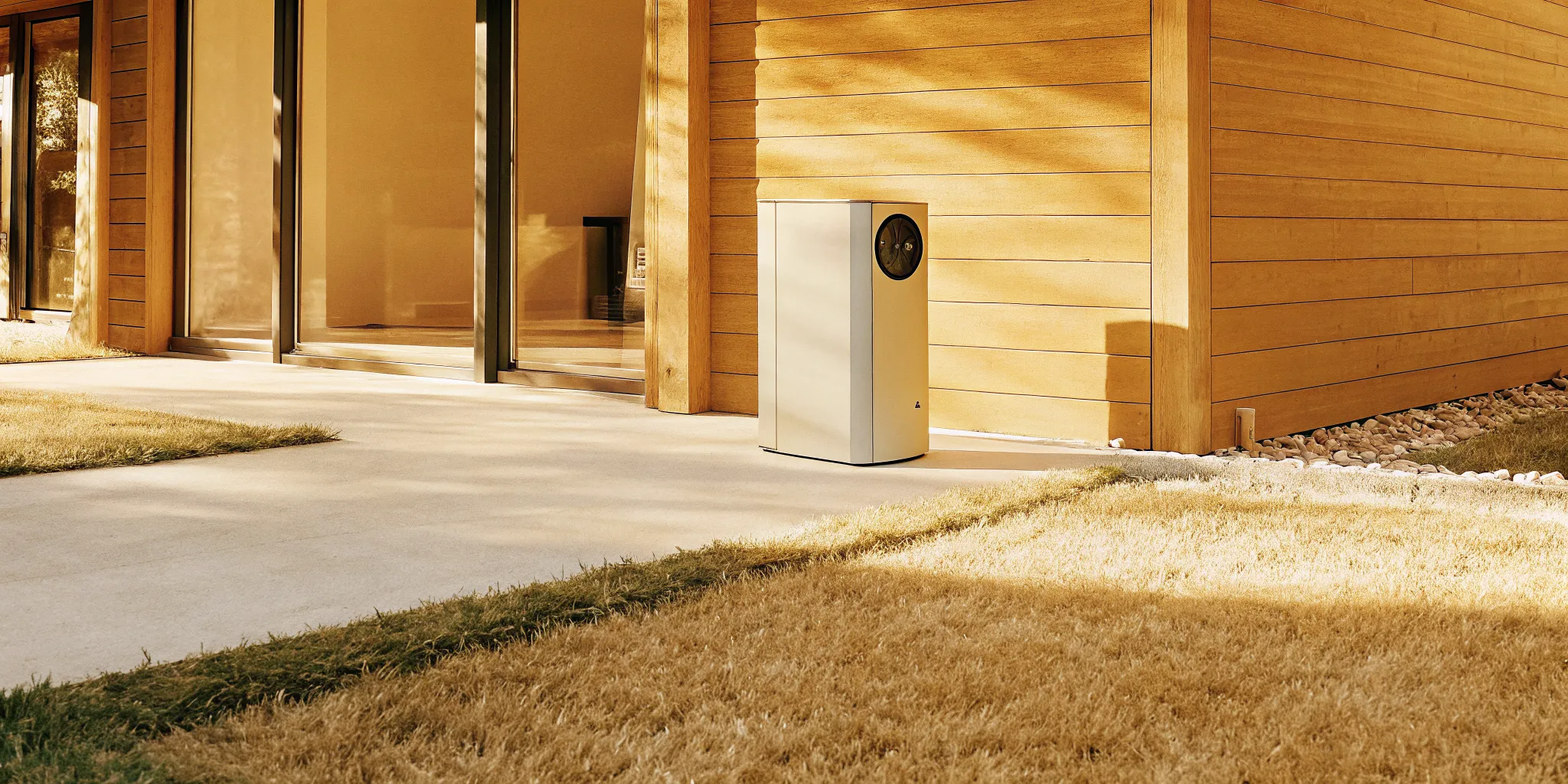
Modern air-source heat pump outdoor unit installed at a San Antonio home for energy-efficient year-round HVAC

The Single-System Advantage

One system for both heating and cooling offers a major advantage. Instead of maintaining separate AC and furnace units, homeowners only manage one heat pump. This reduces equipment footprint, lowers maintenance costs, and simplifies tune-ups.

This setup matches South Texas winters perfectly. San Antonio temperatures can reach 75 degrees during the day and freeze by nightfall. A heat pump handles these transitions effortlessly. It switches from cooling to heating at the press of a button. Our team leverages 25 years of field experience to size and install these systems correctly. Read more about Modern Mechanical and our safety standards.

Heat Pump vs. Furnace: Which Is Right for Your San Antonio Home?

The best choice depends on your heating needs during freezes versus cooling efficiency in long summers. Heat pumps excel at both with one system. Gas furnaces offer powerful backup during extreme cold when paired with a heat pump in a dual-fuel configuration.

South Texas homeowners must balance comfort, efficiency, and operating costs. Summer heat is the primary challenge, but winter brings sharp freezes. You need to understand the differences between air-source heat pumps, electric furnaces, and gas furnaces.

A heat pump transfers heat rather than generating it. In summer it acts as an AC, extracting indoor heat outdoors. In winter it reverses the process. Modern heat pumps reduce heating electricity use by up to 75% compared to electric furnaces. Electric furnaces consume substantial electricity and cause high bills during cold snaps.

Gas furnaces generate heat through combustion of natural gas or propane. They deliver high-temperature air quickly for freezing weather. Because they do not provide cooling, you need a separate AC unit for triple-digit summers. If you need AC repair in San Antonio, Modern Mechanical can help. We help families evaluate options based on their home layouts and energy goals.

Criteria Heat Pump Gas Furnace Dual-Fuel System
Primary Function High-efficiency cooling and heating in one system. Heating only; requires separate AC for cooling. Electric heat pump with gas furnace backup.
Energy Source Electricity (transfers outdoor ambient heat). Natural gas or propane (combustion heat). Electricity for mild temps; gas for freezes.
South Texas Suitability Excellent; optimized for long, hot summers. Moderate; powerful for freezes, idle in summer. Outstanding; maximizes efficiency and safety.
Average Lifespan 10 to 15 years with bi-annual maintenance. 15 to 20 years due to limited seasonal use. 10 to 15 years outdoor unit; longer furnace.
Efficiency Rating Up to 20+ SEER2; 8.0 to 10+ HSPF2. 80% to 98% AFUE depending on model. Up to 20+ SEER2; up to 98% AFUE backup.

Comparison Criteria for San Antonio Homeowners

San Antonio averages 74 days above 100 degrees each year. During these punishing summers, a heat pump acts as a top-tier AC. It dehumidifies your home and lowers energy usage. Variable-speed compressors handle South Texas humidity exceptionally well. This moisture removal is crucial because high humidity makes hot air feel warmer.

Winter brings different challenges. While winters are generally mild, rare storms can drop below freezing. Standard heat pumps work harder to extract heat from freezing air. They often rely on expensive auxiliary electric resistance heat. A gas furnace delivers high-temperature air regardless of outdoor temperature. This provides a reliable safety net during severe weather.

Equipment longevity is another variable. In our climate, heat pumps last 10 to 15 years with regular maintenance. Because they operate year-round, they accumulate wear faster than gas furnaces. A gas furnace typically lasts 15 to 20 years since it is idle most of the year. Read our guide on furnace versus heat pump efficiency and repair costs for more details.

The Best of Both Worlds: Dual-Fuel Pairing

For homeowners who want both summer efficiency and winter safety, a dual-fuel system offers the best solution. Also called a hybrid system, it pairs an electric heat pump with a gas furnace backup. This design uses the strengths of both systems to maximize efficiency.

During spring, summer, and fall, the heat pump handles cooling and mild heating. Heat pumps are efficient down to about 35 degrees Fahrenheit. When a severe freeze hits, the system activates the gas furnace. This ensures your home receives high-temperature heat without relying on costly electric resistance backup.

A dual-fuel system eliminates utility spikes from electric heating. It ensures you are never cold during extreme weather. Choosing a family-owned contractor like Modern Mechanical ensures your system is sized correctly. We will configure the precise switchover temperature to keep your bills low and your family safe.

What Does Heat Pump Installation Cost in San Antonio?

Heat pump installation costs vary based on efficiency, system size, compressor type, and ductwork condition. Federal tax credits up to $2,000 and CPS Energy rebates from $350 to $650 can reduce your out-of-pocket cost.

Upgrading your HVAC system is a significant financial investment. Every San Antonio property has unique requirements. There is no single price tag for a new heat pump. Homeowners should obtain a free estimate from Modern Mechanical tailored to their specific layout.

Several variables drive installation costs. The first is equipment efficiency measured in SEER2 and HSPF2. Higher efficiency means higher upfront cost but lower monthly bills. The second is system capacity matched to your home heating and cooling loads. The third is compressor technology. Single-stage is entry-level, while variable-speed offers premium performance.

Ductwork condition also plays a critical role. If ducts need sealing or replacement, this affects the final scope. Modern Air Systems evaluates all factors during our on-site consultation. We provide transparent, upfront pricing approved before work begins.

Federal Tax Credits under the Inflation Reduction Act

The federal government offers substantial tax incentives for heat pump upgrades. Under the Inflation Reduction Act, homeowners can claim 30% of project costs up to $2,000 per year. This helps offset a significant portion of equipment and labor investment.

These credits remain active through 2032. To qualify, the heat pump must meet efficiency standards from the Consortium for Energy Efficiency. Modern Mechanical works with leading manufacturers to supply qualifying systems. We provide documentation to ensure your tax filing is seamless.

Local Utility Rebates from CPS Energy

CPS Energy offers rebates from $350 to $650 for qualifying heat pump installations. These rebates encourage homeowners to transition to high-efficiency equipment. This reduces strain on the local grid during peak summer months.

Modern Air Systems handles the paperwork for you. We submit rebate applications directly on your behalf. By combining federal tax credits with CPS Energy rebates, you can substantially reduce your net cost.

How to Choose the Right Heat Pump for Your San Antonio Home

Match compressor technology to your comfort needs. Choose between ducted or ductless configurations based on your home infrastructure. Variable-speed systems excel at humidity removal and energy savings for San Antonio climate.

Homeowners choose between three compressor technologies. Single-stage systems operate at 100% capacity whenever running. They cycle on and off, causing temperature swings and higher energy use. Two-stage systems operate at 65% capacity on mild days and shift to full power in extreme weather.

Variable-speed or inverter-driven systems are the gold standard. They adjust output in tiny increments, running continuously at low speeds. This maintains a perfectly consistent temperature. For San Antonio homes, variable-speed systems are highly recommended. They excel at removing humidity during muggy summers while consuming minimal electricity.
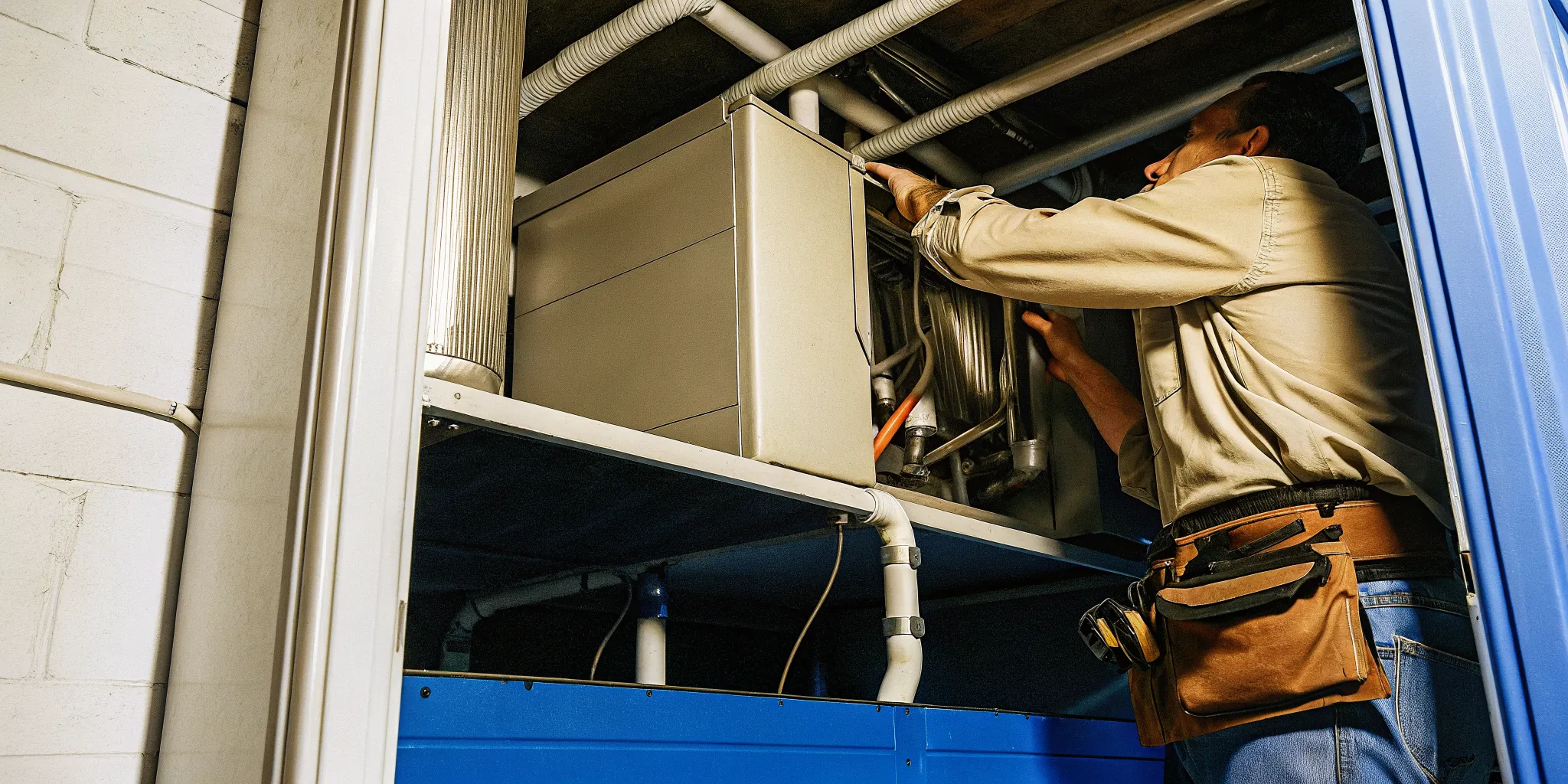
HVAC technician inspecting a gas furnace in a residential utility closet for routine maintenance in San Antonio

Ducted vs. Ductless Heat Pump Systems

Whole-home ducted heat pumps use sheet metal or flexible ducts to distribute air. If your home has existing ductwork in good condition, a central ducted heat pump is often the most cost-effective option.

Ductless mini-splits offer unmatched flexibility for certain layouts. They use compact indoor air handlers mounted on walls or ceilings. Homeowners find ductless heat pump systems ideal for additions, garages, sunrooms, or historic homes where ductwork is impossible. Ductless options allow customized zoning for individual rooms. This prevents wasting energy cooling empty spaces.

Sizing and Manual J Load Calculations

Professional contractors perform Manual J load calculations to size your system correctly. This engineering standard analyzes square footage, climate, insulation, windows, and layout. Skipping this step leads to serious comfort issues.

An oversized system cycles on and off rapidly, wasting energy and failing to remove humidity. An undersized system runs continuously struggling to cool your home. We recommend pairing your properly sized heat pump with a smart thermostat. These controls add 10% to 15% in annual energy savings.

What Are the Signs You Need Heat Pump Replacement?

Rising energy bills, frequent cycling, inadequate heating or cooling, unusual noises, and age over 10 years indicate it is time for replacement. South Texas conditions accelerate wear, making early replacement more cost-effective than repeated repairs.

Continuing to patch a failing unit often costs more over time. In South Texas, intense operating conditions force homeowners to replace systems sooner. Modern Air Systems has helped hundreds of San Antonio families determine the right time to upgrade.

The most telling sign is a steady increase in energy bills without a usage change. As equipment ages, internal components lose efficiency. The compressor works harder and refrigerant levels may drop. If your system is over 10 years old and bills are climbing, replacement will pay for itself through energy savings.

Other warning signs include frequent cycling, where the system turns on and off more than usual. Inadequate heating or cooling in different rooms suggests declining performance. Unusual noises like grinding or squealing point to mechanical failure. If you experience loss of cooling during a San Antonio heat wave, that qualifies as an emergency.

If you have called for repairs twice in the past year, your system is nearing end of life. Instead of investing in emergency repairs on an aging unit, consider a new high-efficiency heat pump that qualifies for tax credits and rebates. Visit our free estimate and service FAQ to understand your options.

Energy Efficiency Tips for South Texas Homeowners

Seal ductwork, use a programmable thermostat, change filters monthly, schedule bi-annual maintenance, and add attic insulation. These steps can lower annual energy consumption by 20% to 30% regardless of your HVAC system.

Even the most efficient heat pump performs poorly if your home cannot retain conditioned air. Start by sealing and insulating ductwork. Leaky ducts waste up to 30% of moving air. In unconditioned attics, leakage is especially costly during hot summers. Modern Mechanical provides duct cleaning and sealing services to improve efficiency.

Next, upgrade to a smart or programmable thermostat. Raising the thermostat by 7 to 10 degrees while away can save up to 10% on cooling costs. Paired with a variable-speed heat pump, smart thermostats provide seamless comfort with minimal energy use.

Change air filters every 30 to 90 days. Schedule professional bi-annual tune-ups in spring and fall. Our technicians inspect refrigerant levels, clean coils, lubricate parts, and verify electrical connections. For 24-hour AC service in San Antonio, our team is available around the clock. Proper attic insulation and shade for your outdoor unit can improve efficiency by 10% to 15%.

Ready to upgrade your home comfort? Call (210) 222-0201 or contact Modern Mechanical online for your free heat pump estimate today.

Why Trust Matters: What Sets Modern Mechanical Apart

Modern Mechanical offers 25 years of family-owned experience, military-grade safety standards, zero-incident safety ratings, JBSA approval, and honest upfront pricing approved before work begins.

In an industry dominated by private equity-backed national chains, choosing a locally owned contractor makes a difference. Modern Air System, operating as Modern Mechanical, has served San Antonio for over 25 years. The hands-on owner personally oversees every major installation.

We maintain a zero-incident safety rating. We conduct DCSA-level background checks on every team member. We hold Joint Base San Antonio approved contractor status. Every technician entering your home is vetted to military-grade standards. Your satisfaction is personal to us, not just a quarterly metric.

We provide honest, transparent pricing approved before work begins. No hidden fees, surprise charges, or pressure tactics. Every estimate is free. Our team explains your options so you can make an informed decision. This commitment has earned the trust of thousands of San Antonio homeowners. Read more about Modern Mechanical and our safety standards.

Frequently Asked Questions About Heat Pumps

How long do heat pumps last in San Antonio?

In San Antonio climate, a well-maintained heat pump lasts 10 to 15 years. Regular bi-annual maintenance helps maximize lifespan. The combination of intense summer heat, occasional freezes, and year-round operation accelerates wear compared to milder climates.

Is a heat pump worth it in San Antonio, Texas?

Yes. Heat pumps are highly efficient for San Antonio climate since they provide both cooling and heating in one system. Federal tax credits up to $2,000 and CPS Energy rebates of $350 to $650 reduce the upfront cost. Operating costs are lower than separate AC and furnace configurations.

Do heat pumps work in freezing weather?

Standard heat pumps work down to about 25 to 30 degrees Fahrenheit. During rare San Antonio freezes, they may switch to auxiliary electric resistance heat, which is less efficient. A dual-fuel system with a gas furnace backup provides a reliable safety net for extreme cold.

Do you need a separate AC with a heat pump?

No. A heat pump serves as both an air conditioner and a heater in a single unit. In summer it extracts indoor heat and releases it outside. In winter it reverses the cycle to draw heat from outdoor air into your home. No separate AC unit is needed.

What is the difference between a heat pump and a furnace?

A heat pump transfers heat using electricity and refrigerant, providing both cooling and heating. A furnace generates heat through combustion (natural gas or propane) and provides heating only, requiring a separate AC for cooling. Heat pumps are more efficient in mild climates while furnaces excel in extreme cold.

How much does it cost to run a heat pump in San Antonio?

Operating costs vary by system efficiency, home size, insulation, and thermostat settings. Modern heat pumps can reduce heating electricity use by up to 75% compared to electric furnaces. Combined with smart thermostat programming, annual savings can reach 20% to 30%.

Schedule Your Free Heat Pump Estimate Today

Upgrading your home comfort system is one of the most impactful investments for your San Antonio property. Whether replacing an aging furnace or installing a high-efficiency heat pump, the team at Modern Mechanical is ready to guide you.

As a family-owned business with over 25 years of hands-on experience, we bring military-grade precision and family accountability to every installation. Our zero-incident safety record and JBSA-approved status mean your home is in safe hands. We offer transparent pricing approved before work begins. Every installation qualifies for federal tax credits and local rebates.

Don’t wait until the next Texas heat wave or winter freeze leaves you without comfort. Contact Modern Mechanical today for your free, no-obligation estimate.

Call (210) 222-0201 for same-day emergency service or schedule your free heat pump estimate online. Licensed and insured. Texas HVAC Contractor License TACLA114325E.

Get a Quote for Duct Cleaning: A Guide to Fair Pricing

We’ve all seen those unbelievable ads: “Whole-Home Duct Cleaning for $99!” It sounds like a fantastic deal, but it’s often the first sign of a bait-and-switch scam. These lowball offers are designed to get a technician in your door, where they can use high-pressure tactics to sell you overpriced and unnecessary services. A thorough, professional cleaning requires specialized equipment and hours of skilled labor, which simply can’t be done for that price. Knowing how to spot these red flags is your best defense. Before you even decide to get a quote for duct cleaning, it’s crucial to understand what separates a legitimate service from a deceptive one.

Key Takeaways

  • Understand What Shapes Your Quote: A fair duct cleaning price is based on your home’s specific details, including its square footage, the number of vents, and the condition of the ductwork, not a generic flat rate.
  • Vet Your Technician to Avoid Scams: Always get multiple in-person quotes from licensed and insured companies. Be cautious of prices that seem too good to be true or contractors who use high-pressure sales tactics, as these are major red flags.
  • It’s an Investment in Your Home’s Health: Professional cleaning improves indoor air quality by removing allergens, helps your HVAC system run more efficiently, and can extend the life of your equipment by reducing unnecessary strain.

What Determines Your Duct Cleaning Cost?

When you start looking for duct cleaning quotes, you’ll quickly notice that prices can vary quite a bit. That’s because a professional cleaning isn’t a one-price-fits-all service. Several key factors determine the final cost, from the size of your home to the specific condition of your ductwork. Understanding what goes into a quote will help you spot a fair price and feel confident in the service you choose for your San Antonio home. Let’s walk through the main elements that will shape your estimate.

Your Home’s Size and Number of Vents

It makes sense that a larger home costs more to clean, and the same is true for your air ducts. The overall square footage of your house and the total number of supply and return vents directly impact the price. More vents mean more ground for our technicians to cover, and longer duct runs require more time and effort to clean thoroughly. Some companies charge a flat rate per vent, while others might base their estimate on your home’s size and the number of HVAC systems you have. The Environmental Protection Agency notes that the scope of the work is a major price factor, so a clear count of vents and systems is essential for an accurate quote.

The Type and Condition of Your Ductwork

Not all ductwork is created equal. The material your ducts are made from (like sheet metal, flex duct, or fiberboard) and their current condition play a big role in the cleaning process. Older homes might have ducts that are harder to access or more fragile, requiring a gentler, more time-consuming approach. If we find any damage, like leaks or disconnected sections, during our inspection, that can also affect the job. A thorough cleaning is our priority, but we’ll also point out any duct repair needs to ensure your system runs efficiently after we’re done. A trustworthy technician will always assess the condition of your ducts before starting work.

The Level of Buildup in Your Vents

The amount and type of debris in your ducts are another key part of the pricing puzzle. A system with a light layer of dust is a more straightforward job than one clogged with pet hair, construction debris from a recent remodel, or signs of pests. Significant buildup requires more intensive cleaning techniques and more time to ensure every part of the system is clear. This is why an in-person inspection is so important. It allows a technician to see exactly what they’re dealing with, which helps provide you with a precise and fair quote, avoiding any surprises on the final bill.

Optional Add-On Services

A standard duct cleaning focuses on just that: the ducts. However, many professional HVAC companies offer additional services that can be bundled with your cleaning for better results and improved home health. These are typically optional, but a technician might recommend them based on what they find during their inspection. It’s always a good idea to ask about these upfront so you know what your options are.

Dryer Vent Cleaning

While we’re cleaning your air ducts, it’s a great time to also have your dryer vent cleaned. A clogged dryer vent isn’t just an efficiency issue; it’s a serious fire hazard. Lint is highly flammable, and buildup can cause your dryer to overheat. This service is a simple and affordable add-on that provides significant peace of mind and keeps your home safe.

HVAC System Sanitization

After your ducts are free of debris, you might consider HVAC system sanitization. This service involves applying an EPA-approved sanitizing agent throughout the system to eliminate mold, bacteria, and other microorganisms. It’s a great final step for homeowners who are especially concerned about allergens or lingering odors. Sanitization helps ensure the air circulating through your home is as clean as possible.

Mold Remediation

If a technician discovers mold during the inspection or cleaning, simply scrubbing it away isn’t enough. Proper mold remediation is a specialized service that follows strict protocols to contain and safely remove the mold to prevent it from spreading. This is a much more involved process than a standard cleaning and will be quoted separately. It’s crucial for protecting your home’s structure and your family’s health.

How to Prepare for Your Duct Cleaning Quote

Getting an accurate quote for duct cleaning starts with a little prep work on your end. When you call for an estimate, having the right information on hand helps a professional team understand the scope of the job and give you a fair, transparent price. Think of it like a doctor’s visit; the more details you can provide about the symptoms, the better the diagnosis. A reputable company will ask you a series of questions to determine what your home needs. By gathering a few key details beforehand, you can streamline the process and feel confident that you’re getting a quote that truly reflects the work required. This preparation ensures there are no surprises down the line and helps you compare estimates from different companies more effectively. Let’s walk through exactly what you’ll need to know.

Your Home’s Basic Information

First, gather the basic stats of your home. The most important details are your home’s approximate square footage, the number of HVAC systems you have, and a rough count of the supply and return vents in each room. Most professional duct cleaning services are priced based on these factors. For example, a larger home with two systems and 25 vents will naturally require more labor and time than a smaller home with one system and 10 vents. Knowing these numbers helps a technician provide a solid baseline estimate. While a full-service cleaning can range from a few hundred to over a thousand dollars, having your home’s information ready is the first step toward getting a price estimate that is tailored to your specific situation.

Duct Accessibility and Known Issues

Next, take a moment to consider your ductwork itself. Are your ducts easily accessible through an attic or crawl space, or are they hidden behind walls and in tight spots? The ease of access can influence the time and labor involved. You should also make a note of any known issues you’ve experienced. Have you noticed any strange odors coming from the vents when the system turns on? Is there one room that seems to have weaker airflow than the others? Or have you seen visible dust and debris puffing out of the registers? Sharing these specific problems gives your technician important clues about the condition of your ducts and helps them identify if a standard cleaning is sufficient or if a more detailed HVAC inspection is needed.

Household Factors: Pets, Allergies, and Renovations

Finally, think about your family’s lifestyle and recent events in your home. These details are crucial for determining how much buildup might be inside your ducts and how urgently you might need a cleaning. Be sure to mention if you have pets, as pet dander is a major contributor to duct contamination. If anyone in your household suffers from allergies or asthma, professional duct cleaning can be a game-changer for your indoor air quality. It’s also very important to mention any recent renovations. Drywall dust, sawdust, and other construction debris can quickly clog a system. Letting your technician know about these factors helps them understand your unique needs and recommend the right level of service for a healthier home.

How to Get an Accurate Duct Cleaning Quote

Getting a quote for duct cleaning shouldn’t feel like a mystery. The goal is to find a fair price for a thorough, professional job, not just the cheapest offer you can find. A little bit of homework can help you understand what you’re paying for and choose a company you can trust to do the job right. An accurate quote is more than just a number; it’s a detailed plan that shows a company understands your home’s specific needs. It reflects the technician’s assessment of your system’s condition, the size of your home, and the specific services required to get your air flowing clean again. By comparing a few options and asking the right questions, you can feel confident that you’re making a smart investment in your home’s air quality and the efficiency of your HVAC system. This process helps you partner with a team that values transparency and quality, ensuring your home is in good hands from start to finish. It’s about finding a reliable professional who will show up on time, respect your home, and deliver the results they promised without any last-minute surprises on the bill.

Phone Estimates vs. In-Person Assessments

A quick phone call can give you a general price range, but a truly accurate quote requires an in-person look. While many companies can give you a ballpark figure over the phone, a professional technician needs to see your home to provide a firm price. They’ll assess factors that a phone call can’t cover, like the size of your home, the number of vents, the accessibility of your ductwork, and the actual level of buildup inside. An on-site assessment prevents surprise charges later and ensures the company brings the right equipment for your specific system. Think of a phone estimate as a starting point, but an in-person evaluation as the real deal.

Why You Should Always Get Multiple Quotes

Getting at least two or three quotes is one of the smartest things you can do. This isn’t just about finding the lowest price; it’s about comparing the value and scope of work each company offers. When you have multiple quotes in hand, you can see what the standard rate is in our San Antonio area and easily spot any prices that seem way too high or suspiciously low. This process also gives you a feel for each company’s professionalism and customer service. You’ll get a better sense of who is transparent about their process and who you feel most comfortable welcoming into your home.

Key Questions to Ask Before Hiring

Before you agree to any work, it’s important to have a clear conversation with the potential provider. Being prepared with a few key questions helps you verify their credibility and understand exactly what you’re paying for.

Here are a few essential questions to ask:

  • What specific cleaning methods and equipment do you use?
  • Are your technicians certified, background-checked, and insured?
  • Does your quote include cleaning the entire HVAC system, including coils and the blower motor?
  • Is this a flat-rate quote, or are there any potential hidden fees I should know about?
  • How long do you expect the service to take?

Red Flags to Watch for in a Duct Cleaning Quote

Getting a quote for duct cleaning should be a simple, transparent process. Unfortunately, some companies rely on confusing or deceptive tactics to get your business. Knowing what to look for can help you spot a bad deal from a mile away, ensuring you hire a trustworthy professional who will do the job right. When you’re gathering estimates, keep an eye out for these common red flags.

“Too Good to Be True” Pricing

We’ve all seen the ads: “Whole-House Duct Cleaning for $99!” While a great deal is always welcome, this kind of pricing is a major red flag. A thorough, professional duct cleaning requires expensive, specialized equipment and several hours of work by trained technicians. A price that low barely covers a company’s basic costs. These offers are often a “bait-and-switch” tactic. A technician may show up and only perform a superficial cleaning of your vent covers or use the low price as a way to get in the door and pressure you into buying more expensive, often unnecessary, services.

Lack of Proper Licensing and Insurance

This is a non-negotiable. Any contractor working on your HVAC system must have the proper licensing and insurance. In Texas, you can verify a company’s license online. Hiring an unlicensed operator puts you at significant risk. If they damage your HVAC system, you may have no way to get compensation. Even worse, if an uninsured worker gets hurt on your property, you could be held financially liable. A reputable company will always be upfront about their credentials and provide proof of their license and insurance upon request. Don’t be afraid to ask; your peace of mind is worth it.

High-Pressure Sales Tactics

A professional technician should inform and advise, not intimidate. If a contractor uses high-pressure sales tactics, consider it a clear warning sign. This often happens with the low-price offers mentioned earlier. The technician might create a false sense of urgency by claiming to find a “dangerous” issue like toxic mold that needs immediate and costly remediation. They may push you to approve expensive add-on services on the spot. A trustworthy professional will give you a clear assessment and a detailed quote, then give you the space to make a decision without pressure.

Vague Pricing and Potential Hidden Fees

Your quote should be clear, detailed, and in writing. Be wary of companies that only offer a verbal estimate or provide a price without specifying exactly what it includes. Unscrupulous companies often lure customers in with a low base price, only to tack on hidden fees later. These can include extra charges for each vent, additional costs for accessing certain parts of your ductwork, or surprise fees for “necessary” sanitization treatments. Before any work begins, make sure you have an itemized quote that outlines the full scope of the air duct cleaning service and confirms the final price.

What a Professional Duct Cleaning Service Includes

When you hire a professional for duct cleaning, you’re paying for more than just a quick vacuum of your vents. A legitimate service is a thorough, top-to-bottom process designed to improve your home’s air quality and HVAC efficiency. Understanding what a comprehensive cleaning involves helps you spot a scammer and ensures you get what you pay for. A true professional service isn’t just about cleaning; it’s about providing peace of mind. From the equipment they use to the way they price their work, every step should be transparent and focused on delivering real results for your home and family.

At Modern Air System, we believe a job worth doing is a job worth doing right. Our approach to duct cleaning is part of our larger commitment to providing a full range of HVAC services that you can trust. A professional cleaning should leave your system cleaner, more efficient, and your air healthier. It involves a meticulous process that addresses the entire system, not just the parts you can see. This includes using specialized tools to access deep within the ductwork, ensuring all contaminants are safely removed without being released back into your home. It’s a detailed job that requires expertise, the right tools, and a commitment to quality.

Use of Proper Equipment and Methods

A key difference between a professional service and a scam is the equipment. Simply blowing compressed air into your vents can do more harm than good, pushing dust and debris further into your system or even back into your living spaces. A true duct cleaning service uses specialized, high-powered vacuums and rotary brushes designed to dislodge and capture contaminants safely. This process creates negative pressure within your ducts, ensuring that all the loosened dirt, dander, and allergens are pulled directly into a containment unit. The technicians should also clean essential HVAC components like the air handler and coils, as these are integral parts of your air system.

Industry Certifications and Full Insurance

Hiring a company that is fully licensed and insured is non-negotiable. Insurance protects you and your property in the unlikely event of an accident, while proper licensing shows the company meets state and local requirements to perform HVAC work. Furthermore, look for companies that adhere to the standards set by the National Air Duct Cleaners Association (NADCA). While not mandatory, following NADCA guidelines demonstrates a company’s commitment to a higher standard of quality, safety, and training. It’s a clear sign that they take their work, and your home’s air quality, seriously.

Background-Checked, Certified Technicians

You should feel completely comfortable with the people you invite into your home. Reputable companies understand this and invest in their teams. A professional service will send technicians who are not only trained and certified in duct cleaning but have also passed thorough background checks. This ensures the person working on your HVAC system is a trustworthy expert, not just a subcontractor with a vacuum. At Modern Air System, our certified technicians are employees who are committed to upholding our standards of professionalism, respect, and quality workmanship on every single job.

Clear, Upfront Pricing

Your duct cleaning quote should be straightforward and transparent, with no room for surprises. Beware of “bait-and-switch” tactics where a company offers an unbelievably low price over the phone, only to add on multiple hidden fees once they arrive. A professional company will provide a clear, detailed estimate based on factors like the size of your home, the number of vents, and the accessibility of your ductwork. While some companies can give a solid estimate over the phone, an in-person assessment is often the best way to get a firm, accurate price. This commitment to honest, upfront pricing is a hallmark of a trustworthy service provider.

Common Duct Cleaning Myths, Busted

Let’s be honest, there’s a lot of confusing information out there about air duct cleaning. You’ve probably seen ads with wildly different prices and promises that sound a little too good to be true. It can be tough to separate fact from fiction. That’s why we’re going to clear the air and tackle some of the most common myths head-on. Understanding what professional duct cleaning really involves will help you spot a scam, ask the right questions, and feel confident that you’re making a smart investment in your home’s health and comfort. Let’s bust a few myths together.

Myth: A Cheaper Quote Means the Same Service

It’s tempting to jump on a deal that advertises a “whole-home duct cleaning” for a rock-bottom price. But when a quote seems unbelievably low, it usually is. These offers often represent a classic bait-and-switch tactic where the service only covers a superficial cleaning, like wiping down your vent covers. A thorough, professional cleaning that addresses your entire duct system, including the main trunk lines, requires specialized equipment and skilled technicians, which can’t be done for $99. A fair price reflects the quality and comprehensiveness of the work needed to properly clean your HVAC system. Always ask exactly what’s included in a low-cost quote.

Myth: It’s Just Blowing Air Into Vents

Some people imagine duct cleaning is just a technician with a powerful leaf blower. This couldn’t be further from the truth. In fact, simply blowing air into your vents is a terrible idea; it can push dust and debris further into your system or even back into your living spaces. Professional duct cleaning is a meticulous process. Technicians use high-powered vacuums to create negative pressure, which acts like a giant, contained vacuum for your entire duct system. Then, they use special brushes and agitators to dislodge stubborn buildup from the duct surfaces, pulling it safely out of your home without contaminating the air you breathe.

Myth: Duct Cleaning Is an Annual Chore

Unlike changing your air filter, duct cleaning isn’t something you need to schedule every single year. For the average home, the National Air Duct Cleaners Association (NADCA) recommends a professional cleaning every three to five years. Of course, this can change based on your specific situation. You might consider it more often if you have pets that shed heavily, family members with significant allergies or asthma, or if you’ve just completed a major home renovation that created a lot of dust. Otherwise, you can save your money and stick to a less frequent schedule. It’s about cleaning when it’s needed, not just for the sake of it.

Myth: It Will Solve All Your Air Quality Issues

While clean ducts are an important part of a healthy home, they aren’t a cure-all for every indoor air quality problem. Think of it as one piece of a larger puzzle. The Environmental Protection Agency (EPA) notes that factors like changing your HVAC filters regularly, controlling humidity, and reducing pollutants at their source are also critical. Duct cleaning is most effective when there’s a specific reason for it, such as visible mold growth, evidence of a pest infestation, or ducts clogged with so much dust that it’s restricting airflow. It contributes to cleaner air, but it works best as part of a holistic approach to your home’s environment.

So, Is Professional Duct Cleaning Worth It?

After looking at the costs and what’s involved, you might be asking yourself if professional duct cleaning is really a necessary expense. It’s a fair question. While it’s not something you need to do every year, investing in a thorough, professional cleaning every few years offers some significant returns for your home and your wallet. Let’s break down the three biggest benefits.

Better Indoor Air Quality for Your Family

Think about everything that settles in your home: dust, pet dander, pollen, and other tiny particles. Your air ducts can collect these contaminants over time. Every time your heat or AC kicks on, it pushes air through this network of ducts, circulating those trapped particles throughout every room. For families in San Antonio, especially those with allergies or asthma, this can be a real problem.

Professional air duct cleaning helps you breathe cleaner air and gives you peace of mind. Think of it as a deep clean for your home’s respiratory system. By removing the buildup of allergens and dust, you’re ensuring the air your family breathes is as fresh and clean as possible, which can make a noticeable difference in your overall comfort at home.

A More Efficient HVAC System

When your air ducts are clogged with dust and debris, it’s like trying to breathe through a stuffy nose. Your HVAC system has to work much harder to push air through the blockages to cool or heat your home. This extra effort means your system runs longer and uses more energy just to maintain the temperature you’ve set on your thermostat.

When done right, air duct cleaning can help your heating and cooling system work better. With clear pathways, air flows freely, allowing your system to operate at peak performance. This not only helps keep every room at a more consistent temperature but can also lead to lower monthly energy bills. Proper HVAC maintenance is key to an efficient home.

A Longer Lifespan for Your Equipment

An HVAC system that constantly struggles against restricted airflow is under a lot of stress. This continuous strain puts extra wear and tear on critical components, like the blower motor and fan. Over time, this can lead to more frequent breakdowns and expensive repair calls. No one wants to deal with a broken AC in the middle of a Texas summer.

Clean systems simply run more efficiently. By removing the debris that forces your equipment to overwork, you can help your HVAC system last longer. Think of duct cleaning as a proactive step to protect one of your home’s biggest investments. It helps prevent premature failures and reduces the likelihood you’ll need to pay for major heating and cooling repairs down the road.

Frequently Asked Questions

How often do I really need to get my ducts cleaned? This isn’t an annual task like changing your air filter. For most homes, a professional cleaning every three to five years is plenty. You might want to consider it more frequently if you have pets that shed a lot, family members with severe allergies, or if you’ve just finished a dusty home renovation. The goal is to clean them when they need it, not just because a year has passed.

Will duct cleaning actually lower my energy bills? It certainly can. When your ducts are clogged with dust and debris, your HVAC system has to work much harder to push air through your home. This extra effort uses more energy. By clearing out those blockages, you allow your system to run more efficiently, which can translate into savings on your monthly energy bills.

Why shouldn’t I just go with the cheapest quote I can find? A super low price, like those “whole-house for $99” deals, is almost always a red flag. A thorough cleaning requires specialized equipment and several hours of work by trained professionals, and that low price just doesn’t cover the real cost. Often, it’s a tactic to get a foot in the door to upsell you on more expensive services. A fair price reflects a comprehensive service that cleans your entire system correctly.

Is an in-person quote necessary, or is a phone estimate good enough? A phone estimate can give you a general idea, but a firm and accurate price really requires an in-person assessment. A technician needs to see your home to understand the full scope of the job, including how accessible your ducts are, the number of vents you have, and the actual level of buildup. This on-site look prevents any surprise fees and ensures the quote is tailored specifically to your home.

My house is older. Does that make duct cleaning more complicated? It can, but a professional team knows how to handle it. Ductwork in older homes can sometimes be more fragile or located in tight, hard-to-reach spaces. This might mean the cleaning process requires a gentler approach and a bit more time. A good technician will inspect the condition of your ducts before starting any work and will let you know if any special care is needed.

AC Repair San Antonio TX: Same-Day Service and Honest Pricing

A broken air conditioner during a hot South Texas summer is more than a simple hassle. Extreme heat quickly turns your home into an unsafe environment for your family and pets. You need fast help from experienced professionals who understand how to handle local climate demands.

HVAC technician performing AC repair on outdoor condenser unit in San Antonio residential neighborhood

Professional ac repair san antonio tx restores your cooling system to safe and efficient operation when hot weather puts your comfort at risk. Local HVAC technicians diagnose and fix issues like low refrigerant, broken compressor parts, electrical failures, and clogged drain lines to prevent total system breakdowns. For reliable repairs, homeowners should trust licensed contractors with deep local experience, transparent pricing, and robust safety standards. Getting same-day service from a trusted expert protects your family from the heat and prevents minor system issues from turning into expensive equipment failures.

If your cooling system starts blowing warm air or making strange noises, you should not wait for it to break down completely. We will show you how to spot early warning signs and keep your home cool all year. Let us look at why San Antonio Homes Depend on Reliable AC Repair to keep your household safe and comfortable.

Ac Repair San Antonio Tx: Why San Antonio Homes Depend on Reliable AC Repair

San Antonio summers bring intense heat that places massive stress on home cooling systems. According to data from the U.S. Environmental Protection Agency (EPA), local climate demands require air conditioners to work much harder and longer than in other parts of the country. This constant operation makes routine maintenance and swift repairs vital for every local household.

The Realities of South Texas Heat

Our local weather is far more severe than the national average. San Antonio experiences 2,847 cooling degree days each year, compared to the national average of just 1,239. In 2023, the city endured 74 days with temperatures climbing above 100 degrees Fahrenheit. This extreme climate means your system must run almost non-stop to keep your indoor air safe and comfortable.

This heavy cooling load puts severe physical stress on your system. While a central air unit might last 15 to 20 years in cooler states, the harsh Texas climate often reduces this lifespan to 12 to 15 years. The compressor, fan motors, and electrical parts wear down much faster when they must run in triple-digit heat day after day.

The Serious Health Stakes of System Failure

When an air conditioner breaks down in South Texas, the indoor temperature can quickly rise to dangerous levels. This sudden heat spike poses real risks to vulnerable family members, including young children, veterans, and elderly residents. Extreme heat makes fast, reliable 24 hour ac service in San Antonio a true safety necessity rather than a simple luxury.

To keep families safe from these indoor heat hazards, Modern Air System offers fast, professional support. With over 25 years of hands-on experience, our family-owned team knows exactly how to handle Texas-sized cooling emergencies. We provide same-day AC repair and emergency after-hours response to restore your cool air when you need it most.

Common AC Problems San Antonio Homeowners Face

San Antonio summers put extreme stress on cooling systems. When temperatures soar, minor system weaknesses quickly turn into complete breakdowns. Local homes face unique challenges like high humidity, intense heat loads, and seasonal pollen that aggravate common machinery issues. Knowing these frequent issues can help you protect your system and determine when you need professional ductless AC repair or central air service.

Refrigerant Leaks and EPA Rules

Low refrigerant is a primary cause of poor cooling. Many homeowners assume that a technician should simply add more gas to a low system. However, the United States Environmental Protection Agency states that technicians must find and fix refrigerant leaks rather than just topping off the system. You can read more about these standards on the EPA consumer Q&A page. Fixing leaks protects the environment, reduces your power bills, and prevents future repair costs. It is also illegal under federal law to intentionally release any regulated refrigerant during system service. When a technician visits, they should inspect the nameplate on your unit to find the exact refrigerant type before starting any work.

Frozen Evaporator Coils

An AC coil can freeze even when the outdoor heat is intense. This problem usually stems from poor airflow, which is often caused by dirty air filters or clogged ducts. The high humidity in South Texas makes this issue worse because moisture settles on the cold metal coils and turns into ice. If you notice ice on your unit or feel warm air coming from your vents, turn the system off immediately. Running an air conditioner with a frozen coil can cause permanent compressor damage. Changing your air filters every month is the easiest way to keep air flowing freely and prevent ice buildup.

Electrical Failure and Clogged Drains

San Antonio heat forces air conditioners to run for hours without a break, which places a heavy load on electrical parts. Capacitors and contactors can burn out under this constant stress, preventing the fan or compressor from starting. In addition, local trees like cedar and live oak release heavy pollen that can clog your outdoor coils and restrict heat transfer. This pollen also mixes with dust and algae in the indoor condensate drain line, leading to blockages. A clogged drain line will trigger your system safety switch to shut the unit down, or it may cause water to overflow and damage your ceiling.

When to Call for Professional AC Repair vs. DIY

When the Texas heat surges, a broken air conditioner is more than a hassle. It can quickly become a safety risk for your home and family. Before you search for reliable 24 hour ac service in San Antonio, it helps to know which issues you can handle on your own. Homeowners can safely check a few simple system parts before calling a professional technician.

What You Can Safely Check

Many common system issues stem from basic issues. You can check these parts on your own. First, inspect your air filter. A clogged filter restricts airflow. This issue causes up to thirty percent of calls where the system stops cooling. If the filter is dirty, replace it with a new one. Second, check your thermostat settings. Make sure it is set to cool and has fresh batteries. Third, check your electrical panel. Look for a tripped circuit breaker. Resetting the breaker may restore power to your system. Finally, look at your outdoor unit. Clean away leaves, dirt, or grass that block the airflow. These simple steps can resolve basic cooling issues and save you a service call.

When to Call a Professional

Some air conditioning issues are too complex and unsafe for DIY fixes. Servicing regulated refrigerants requires an EPA Section 608 certification. You can learn about these rules on the U.S. Environmental Protection Agency website. It is illegal to release refrigerant into the air under federal law. If your system has a leak, you must hire a licensed specialist. Technicians should verify that the levels match the manufacturer specifications. This ensures optimal cooling and prevents compressor damage. Electrical issues also require a pro. Testing a failing capacitor or checking diagnostic codes requires specialized multimeters. You should also call a pro if you hear loud screeching, banging, or clicking sounds from your unit.

Why DIY Can Cost You More

Trying to repair your own air conditioner can lead to major setbacks. If you make a mistake, you can void your manufacturer warranty. This leaves you to pay for future part failures. Improper repairs can also lead to electrical shocks or fire hazards. Our team at Modern Air System brings twenty five years of hands-on experience. We provide safe and professional solutions. Our technicians have the proper training, tools, and license to diagnose your unit. We hold Texas HVAC Contractor License TACLA114325E. This license shows our commitment to high standards. We also offer same-day repairs to restore your cooling fast. Let our professional team handle the technical work so you can stay safe and cool.

The AC Repair Process: What to Expect From a Professional Visit

When your cooling system breaks down in the middle of a hot summer, you need to know exactly what happens during a service call. A clear, step-by-step method helps ensure your system gets back to peak performance without any hidden surprises. At Modern Air System, we believe in a fully transparent process that treats you like family and respects your home.

Diagnostic Inspection

The first step begins when our professional technician arrives at your home to evaluate the system. The technician will check the air filter, inspect electrical parts, and measure the airflow through your ducts. They will also look at the refrigerant levels to make sure they match the manufacturer specifications. This full check helps find the root cause of the issue so we can make a precise repair.

Upfront Pricing Quote

Once we find the issue, we give you a clear, written cost estimate before we start any work. According to our local family business standards, we believe that upfront pricing is the only honest way to do business in South and Central Texas. You will know the exact cost and scope of the work, with zero hidden fees. We only begin the repair after you approve the estimate, which keeps you in full control of your budget.

The Five Repair Steps

  1. System Diagnosis: The technician tests the electrical components, thermostat, and key parts to locate the exact mechanical fault.
  2. Upfront Estimate: We provide a clear, flat-rate price quote that shows all parts and labor costs before any repair work begins.
  3. Expert Repair: Our skilled technician performs the repair using professional tools, quality parts, and safe procedures that protect your investment.
  4. Performance Testing: We run the air conditioner through a full cycle to check the temperature drop, inspect for leaks, and verify proper airflow.
  5. Preventive Check: The tech shares helpful tips on filter care and schedules your next tune-up to keep your system running strong.

System Testing and Verification

After we finish the repair, we do not just pack up our tools and leave. We run the air conditioner through a full test cycle to verify that it cools your home evenly and efficiently. The technician will measure the temperature drop across the coils and check the system pressures. The U.S. Environmental Protection Agency (EPA) states that proper maintenance and prompt repairs are the best ways to prolong system life and protect your investment. This final check ensures that your system is fully safe, efficient, and ready to keep you cool.

How Regular AC Maintenance Prevents Costly Repairs

San Antonio summers bring intense heat and unique air quality challenges. Local trees like live oaks shed heavy pollen in the spring. This sticky dust coats the outdoor coils of your cooling unit. In the fall, cedar pollen poses a similar threat. When dirt and pollen cover these coils, your system must work much harder to cool your home. This extra strain leads to wear and tear. Over time, it causes unexpected system breakdowns. High summer humidity also creates moisture in your indoor coils. This damp environment can lead to mold growth that clogs your system.

According to the Environmental Protection Agency, proper maintenance is the most effective way to improve performance and prolong the life of your cooling system. You can read more about this on the EPA consumer guide. Clean coils and clear lines help your system run well. Regular service also protects your investment. It lowers your monthly utility bills and keeps your home comfortable.

The Value of Bi-Annual Tune-Ups

A smart way to protect your cooling system is with bi-annual tune-ups. Professional teams recommend scheduling these visits twice a year. You should book a cooling service in the spring and heating care in the fall. These visits help catch minor issues early before they turn into major failures. Regular checkups can reduce the risk of your system breaking down during the hottest weeks of the year. Finding a small issue like a loose wire now saves you from needing emergency 24 hour AC service in San Antonio later.

During a typical tune-up, a technician will inspect your entire system. They tighten loose electrical parts and test your thermostat. They also measure airflow and check your refrigerant levels. This complete check ensures every part works as it should. It keeps your system safe and reliable for your family.

Core Maintenance Tasks

To keep your system running, you must handle key maintenance tasks. Changing your air filter is the most basic step. You should replace your filter every one to three months. Standard fiberglass filters are cheap but only catch large dust particles. Better pleated filters have higher MERV ratings. These ratings show how well a filter traps smaller particles like pollen and mold spores. A higher MERV filter keeps your air cleaner, but it must be replaced regularly to prevent airflow blockages.

Another key task is coil cleaning. Technicians clean the indoor evaporator coil and the outdoor condenser coil. This service allows heat to transfer properly. Technicians also clean the condensate drain line. This step prevents water clogs that can flood your home. Finally, they verify refrigerant levels to prevent compressor damage. These steps ensure your system remains highly efficient.

Duct Cleaning and System Health

Clean air ducts are also vital for your cooling system. Over time, dust and allergens collect inside your ductwork. This debris restricts airflow and makes your fan work harder. Routine duct cleaning is a valuable service that complements AC repairs. It ensures your system does not have to work too hard to push cool air into your rooms. Clean ducts also improve your indoor air quality by keeping dust out of your living spaces.

Modern Mechanical offers a complete maintenance program designed for Texas homes. Our team holds Texas HVAC License TACLA114325E. We perform detailed checks to keep your system in top shape. Our family-owned business brings over 25 years of local experience to every job. We provide upfront pricing and dependable care. Regular maintenance helps you avoid sudden breakdowns and keeps your home cool all summer long.

AC Repair vs. Replacement: Making the Right Choice

Deciding whether to fix your cooling system or buy a new one can be hard. In South and Central Texas, extreme heat puts immense pressure on air conditioning systems. When your cooling system struggles, you must weigh the upfront cost of a new unit against the long-term cost of frequent service calls. An old system not only risks unexpected failure during peak heat weeks, but it also consumes more energy and increases your monthly utility bills.

Homeowners often face this choice when a major component fails. Repairing your system is often more cost-effective if the damage is minor or limited to a specific part, which a qualified technician can diagnose. According to the U.S. Environmental Protection Agency, proper maintenance and timely repairs protect your equipment investment and prolong system life. However, if your unit breaks down constantly or relies on phased-out refrigerants, a full replacement is usually the better choice.

When to Repair Your System

In many cases, a simple repair can restore your system and keep it running for years. If your cooling system is under 10 years old and has a single component failure, fixing it is highly practical. Common issues like a failed capacitor, a faulty fan motor, or a minor electrical issue are simple to resolve. These components are simple to replace and do not require a complete system overhaul.

Our experienced team at Modern Air System can identify these issues during a standard service call. We hold Texas HVAC Contractor License TACLA114325E, which guarantees that our technicians follow strict technical standards. If your system has a minor refrigerant leak, our technicians will locate and fix the leak rather than simply topping off the system. This approach complies with environmental guidelines, improves cooling performance, and helps you avoid repeated repair bills.

When to Replace Your System

While repairs are helpful, older systems eventually reach a point where fixing them no longer makes financial sense. In Texas, the typical lifespan of a residential AC unit is about 12 to 15 years. If your system is in this age bracket and needs frequent repairs, the accumulated costs will quickly surpass the price of a new unit. Major failures, such as a burnt-out compressor, are especially costly and signal that the system is near the end of its useful life.

Refrigerant type is another critical factor. Many older units use HCFC-22 (R-22), which has been phased out due to environmental regulations. According to the EPA, you can find your refrigerant type on the unit nameplate. Servicing an R-22 system with a major leak is extremely expensive because the chemical is no longer produced. Replacing an outdated system with a modern, high-efficiency unit will lower your energy bills and provide reliable comfort.

Compare Your Options

To help you decide, we have compared the key differences between repairing and replacing your cooling system. If you are unsure which path to take, you can consult our free estimate guide or speak with our team to evaluate your system’s condition.

Factor AC Repair Choice AC Replacement Choice
System Age Unit is under 10 years old Unit is 12 to 15 years old
Refrigerant Uses modern R-410A refrigerant Uses phased-out R-22 refrigerant
Component Failure Minor component like a capacitor or fan motor Major component like a compressor
Energy Efficiency System still meets your cooling needs System runs constantly and raises utility bills
Service Frequency First major breakdown in several years Frequent breakdowns during summer heat

If you are dealing with a sudden breakdown and need fast relief, Modern Mechanical is ready to assist. We offer dependable, same-day ac repair san antonio tx to get your system running again quickly. Whether you need a quick component fix or want to explore your replacement options, our licensed team is here to give you honest advice and high-quality service.

Choosing the Right AC Repair Company in San Antonio

Finding a trustworthy team to handle your home cooling system is vital during hot Texas summers. With so many providers in the area, you must know how to spot a quality contractor. The right business will keep your home cool and give you peace of mind. Working with an expert makes a major difference in how well your system runs.

Verify State Licensing and Insurance

You should always verify credentials before you let a technician into your home. The state of Texas requires all professional heating and cooling contractors to hold an active license. This rule protects homeowners and ensures technical competency. For example, Modern Air System holds Texas HVAC Contractor License TACLA114325E. You can use the Texas Department of Licensing and Regulation online tool to check any company’s status. Licensed professionals carry proper insurance to protect your property during service visits. If a contractor cannot show you an active license, you should not hire them.

Check Safety Standards and Technician Vetting

Your family’s safety should always come first. Many corporate chains focus on volume, but top local contractors prioritize secure service. At Modern Mechanical, we maintain a zero-incident safety rating from construction operations. We also ensure that all of our field technicians undergo strict background checks. These checks meet military-base security clearance standards. This high level of vetting is a key reason why our military-grade safety standards are trusted by local families and veterans who value security. Knowing who is entering your home gives you true comfort and peace of mind.

Insist on Upfront Pricing and Accountability

A reliable service provider will never hide fees or surprise you with extra costs. A quality contractor will evaluate your system and give you a clear, honest quote before any work starts. This open approach ensures you are not caught off guard by unexpected bills. As a family-owned business, we believe in personal accountability rather than corporate sales pressure. Many private-equity-backed chains focus on quick upsells to meet quotas. We focus on finding real solutions to your cooling problems. Our team is dedicated to building long-term relationships with our neighbors through honest work. Local owners stand behind their repairs because their reputation is on the line.

Ask the Right Questions Before You Hire

Before you hire a team for ac repair san antonio tx, ask key questions about their standards. Ask if they provide same-day service and how they handle emergency calls. Find out if their team has the required EPA Section 608 certification. According to the U.S. Environmental Protection Agency, this certification is required to handle regulated refrigerants safely. A qualified team will always have these credentials ready to show you. Choosing a local provider with deep roots in the community ensures they understand the specific demands that San Antonio’s climate puts on your air conditioner. Local teams also know local building codes and municipal permit standards well.

Frequently Asked Questions

Why is my air conditioner running but not cooling my home?

Low refrigerant levels or a dirty air filter can cause this issue. If your system has a leak, topping off the refrigerant will not solve the problem. According to the EPA, homeowners should instruct service technicians to find and fix the leak. This saves you money on future service calls and keeps your system running at peak performance.

Can a service technician just top off my leaking cooling system?

No, a quality technician will not simply add more refrigerant. It is vital to locate and repair the leak instead. In fact, the EPA states that intentionally releasing regulated refrigerant into the air is illegal. Fixing the leak protects the environment, prevents compressor damage, and lowers your monthly power bills by keeping your unit efficient.

Do I need to hire a certified technician to service my cooling unit?

Yes, you must hire a professional with the right training. For safety and environmental reasons, the EPA requires service technicians to hold Section 608 certification to handle regulated refrigerants. This ensures they have the skills to work on complex parts safely. At Modern Air System, our team is certified and licensed under Texas license TACLA114325E.

How often should I schedule an air conditioner tune up?

You should schedule professional maintenance twice a year to keep your system running well. According to Modern Mechanical, bi-annual tune-ups prevent unexpected system failures during hot weather. Routine care also extends the lifespan of your unit and ensures you do not waste money on high utility bills. Regular maintenance is the best way to protect your investment.

What are the signs that my cooling system needs emergency repair?

If your system blows warm air, makes loud noises, or will not turn on during extreme heat, you need help. Modern Air System provides same-day AC repair and emergency after-hours response to restore your comfort quickly. This rapid service is vital for households with children or elderly residents who are sensitive to high temperatures.

Ready to schedule your San Antonio AC repair?

Delaying a minor air conditioner issue can lead to complete system failure during extreme South Texas heat. Waiting too long often turns a simple, low-cost fix into an expensive emergency replacement. Our licensed, family-owned team is ready to restore your home comfort today. We respect your time with military-grade safety standards, same-day repair response, and clear pricing that you approve before any work starts. Do not let a broken cooling system compromise your family safety or drive up your monthly power bills when fast relief is just a quick step away.

Ready to schedule your AC repair or get a free estimate? Call Modern Mechanical at (210) 222-0201 to set up your same-day diagnostic service or replacement estimate.

What Is Considered an AC Emergency? A Simple Guide

Your air conditioning system has its own way of communicating. A gentle hum is normal, but loud bangs, strange smells, and sudden silence are its way of screaming for help. Learning to interpret these signals is the key to protecting your home and your investment. Many homeowners hesitate, wondering if a problem is serious enough for an urgent call. This guide is your translator. We’ll break down exactly what is considered an AC emergency by explaining the warning signs you should never ignore, from electrical odors that signal a fire risk to hissing sounds that point to a hazardous refrigerant leak. You’ll learn to recognize a true crisis.

Key Takeaways

  • Know When It’s a Real Emergency: A true AC emergency involves a risk to your safety or your system. If you smell something burning, see sparks, or hear loud grinding noises, it’s not just an inconvenience; it’s a signal to get professional help right away.
  • Act on Urgent Warning Signs: Your AC gives clear warnings when something is seriously wrong. If you notice alarming signs like smoke, hissing sounds, or loud mechanical noises, your first step is to turn the system off at the breaker and then call for service.
  • Prevent Breakdowns with Simple Habits: You can avoid most emergencies with basic upkeep. Regularly changing your air filters, scheduling professional tune-ups, and keeping your outdoor unit clear of debris are the best ways to ensure your AC runs reliably all summer.

What Counts as an AC Emergency?

When your AC sputters on a scorching San Antonio afternoon, it’s easy to panic. But how do you know if you have a real emergency on your hands or just a problem that can wait for a regular appointment? It’s a question we get all the time. The simplest way to think about it is to ask yourself two questions: Is this a risk to my family’s safety? And could this problem cause major, expensive damage to my system if I wait? Answering “yes” to either of these usually means you’re dealing with an emergency that requires a professional right away.

A true AC emergency isn’t just about discomfort; it’s about protecting your home and the people in it. Some issues, like strange smells or loud noises, are your system’s way of waving a big red flag, signaling a problem that needs immediate attention from a certified technician. Ignoring these warnings can turn a manageable repair into a complete system replacement or, even worse, a dangerous situation like an electrical fire or a refrigerant leak. Knowing the difference between a minor hiccup and a critical failure will help you make the right call. This guide will walk you through the clear warning signs, so you can feel confident when you decide to call for emergency AC service.

It’s a Safety Risk

Your family’s safety is the top priority, and some AC problems pose a direct threat. If you smell something like rotten eggs or sulfur, it could be a natural gas leak, which is extremely dangerous. In this case, don’t touch any electronics, get everyone out of the house immediately, and call your gas company from a safe distance. Other serious risks include burning smells or visible sparks, which point to an electrical fire hazard. You should also treat any significant water leakage or flooding from your unit as an emergency, as it can cause structural damage and create a slip hazard. These situations are non-negotiable and require an immediate professional response.

It Could Wreck Your System

Beyond immediate safety concerns, an emergency is any issue that could cause catastrophic and expensive damage to your HVAC system if you ignore it. Think of loud, mechanical sounds like grinding, banging, or screeching. These often mean a critical component is broken or loose, and continuing to run the AC could destroy the entire unit. For example, a grinding noise might indicate a problem with the compressor, the heart of your system. Letting it run could lead to a total failure, turning a potential air conditioning repair into a full system replacement. Acting fast not only prevents further damage but can also save you a lot of money and stress down the road.

Emergency Warning Signs from Your AC

Your air conditioner is pretty good at telling you when something is seriously wrong. While a little noise here and there might be normal, some signs are your system’s way of screaming for help. Ignoring these warnings can lead to more expensive damage or, even worse, create a dangerous situation for your family. Think of these as the red flags you should never ignore. If you notice any of the following signs, it’s time to stop what you’re doing and take action. These aren’t just quirks; they are clear indicators that your AC needs immediate professional attention to keep your home safe and prevent a small problem from turning into a catastrophic failure.

Burning or Electrical Smells

Of all the strange smells your house can produce, a burning or electrical odor coming from your vents is one of the most alarming. This isn’t the scent of dust burning off at the start of the season; it’s a sign that a component in your AC is overheating or there’s a serious electrical fault. This could be anything from a failing motor to frayed wiring, both of which pose a significant fire risk. Don’t wait to see if the smell goes away. Your first step should be to turn off your HVAC system at the thermostat and the circuit breaker, then call for emergency air conditioning repair.

Hissing Sounds or Refrigerant Leaks

If you hear a distinct hissing or bubbling sound near your AC unit, your system is likely leaking refrigerant. Refrigerant is the chemical that cools the air, and a leak not only stops your AC from working efficiently but can also be a health hazard. You might also notice ice forming on the evaporator coils, which is another tell-tale sign of low refrigerant. Because these chemicals require careful handling, a leak is not a DIY fix. A trained technician needs to find the source of the leak, repair it, and safely recharge the system to get it running correctly again.

Loud Banging, Clanging, or Grinding

Your air conditioner should operate with a consistent, low hum. So, when you suddenly hear loud banging, clanging, or grinding noises, it’s a clear sign of a mechanical breakdown. These sounds usually mean a part inside the unit has come loose or broken entirely. It could be a dislodged fan blade, a failing compressor, or a worn-out motor bearing. Continuing to run the AC with these noises is like driving a car with a rattling engine; you’re risking a complete system meltdown. Turn the unit off immediately to prevent further damage and call a professional.

No Air During Extreme Heat

In the middle of a sweltering San Antonio summer, an air conditioner that stops working entirely is more than an inconvenience; it’s a health emergency. When temperatures soar into the triple digits, a lack of cool air can quickly make your home unsafe, especially for children, the elderly, or anyone with health conditions. Prolonged exposure to intense heat can lead to heat exhaustion or heatstroke. If your AC gives out during a heatwave and your home is rapidly becoming dangerously hot, you need prompt and reliable emergency services to restore a safe living environment.

Smoke or Sparks from the Unit

This is the most urgent warning sign of all. If you see smoke or sparks coming from any part of your air conditioning system, you have an active electrical emergency that could lead to a fire. A related sign is a circuit breaker that repeatedly trips when the AC kicks on, indicating a severe electrical short. Do not try to investigate the problem yourself. Go straight to your electrical panel and shut off the breaker connected to your HVAC system. Once the power is off and there’s no immediate fire danger, call for emergency help right away.

When Your AC Problem Becomes a Health Risk

An air conditioner failure can quickly go from an inconvenience to a serious health issue, especially when temperatures soar. Your home is meant to be a refuge from the elements, but without a working AC, it can become dangerously hot. Recognizing when a broken AC poses a health risk is key to keeping your family safe. This is particularly true during a Texas heatwave, where indoor temperatures can climb to unsafe levels in a short amount of time. If your AC gives out during extreme heat, it’s not something you can put off; it’s an emergency that requires immediate attention.

Surviving San Antonio Summers

We all know how intense a San Antonio summer can get. When the forecast shows triple-digit temperatures for days on end, a functioning air conditioner is a necessity, not a luxury. If your system completely stops working during a heatwave, your home can become dangerously hot and humid very quickly. This isn’t just uncomfortable; it’s a hazardous environment. A complete AC failure during extreme heat is one of the clearest signs you need an emergency air conditioning repair. Don’t wait to see how hot it gets inside; the risk isn’t worth it.

Protecting Vulnerable Family Members

Your home should be a safe space for everyone, but extreme heat is especially dangerous for certain people. Infants, young children, the elderly, and individuals with chronic health conditions (like heart disease or respiratory issues) have a harder time regulating their body temperature. For them, a hot house can lead to serious health complications. If you have vulnerable family members at home and your AC goes out when it’s hot, you should treat it as an immediate emergency. Prioritizing their safety means getting your cooling system back online as fast as possible to protect them from extreme heat.

Know the Signs of Heat-Related Illness

When your home gets too hot, it’s important to recognize the physical signs of heat-related illness in yourself and your loved ones. Heat exhaustion can show up as dizziness, heavy sweating, nausea, or a faint pulse. If you notice these symptoms, move to a cooler place and sip water. However, you need to watch for signs of heatstroke, which is a life-threatening emergency. The warning signs and symptoms of heat-related illness include a high body temperature (103°F or higher), confusion, hot and dry skin (no sweating), and a rapid pulse. If you suspect someone has heatstroke, call 911 immediately.

What Isn’t an Emergency? (And Can Wait for a Scheduled Visit)

It’s easy to panic when your air conditioner isn’t working perfectly, especially during a Texas summer. But not every hiccup is a full-blown crisis that requires an after-hours call. Some issues, while definitely annoying, are signs that your system needs attention soon, just not necessarily in the middle of the night.

Knowing the difference can save you stress and help you make a clear-headed decision. These non-emergency problems are your AC’s way of telling you it’s time to schedule a professional visit. Addressing them promptly with a standard service call prevents them from turning into bigger, more expensive emergencies down the road. If you notice any of the following signs, you can likely wait for a scheduled appointment without risking major damage to your system or your home.

Weak Airflow or Lukewarm Air

You know the feeling: the AC is running, you can hear it kick on, but the air coming out of the vents is weak or feels more cool than cold. It’s just not keeping up with the heat. This is one of the most common AC complaints, and it rarely signals a true emergency. Weak or lukewarm airflow often points to a clogged air filter, a dirty evaporator coil, or minor ductwork issues. While your home might get uncomfortably warm, these problems don’t typically pose an immediate threat to your system. It’s a clear sign you need to schedule a service visit, but you can safely wait for normal business hours.

Minor Rattles or Occasional Noises

Your HVAC system is a machine with many moving parts, so it’s never going to be completely silent. While loud banging or grinding sounds are a definite cause for alarm, minor rattles, clicks, or humming noises usually aren’t. These softer sounds often mean a screw has come loose, a panel is vibrating, or there’s small debris in the unit. As long as the system is still cooling and the noise isn’t getting progressively louder or more violent, it’s something that can be diagnosed and fixed during a routine maintenance check. Just make a note of when you hear the sound and what it sounds like to help your technician pinpoint the problem.

Thermostat Glitches

Sometimes the problem isn’t with your AC unit at all, but with its control center: the thermostat. If your system is short-cycling (turning on and off frequently), not turning on when it should, or running constantly, a faulty thermostat could be the culprit. It might be misreading the room’s temperature or failing to send the right signals to the HVAC unit. Before calling, try a simple reset or check the batteries if it has them. If that doesn’t work, the issue is still not an emergency. A technician can easily troubleshoot and resolve thermostat problems during a scheduled appointment.

A Slow Rise in Energy Bills

This symptom is much quieter than a clanging noise, but it’s just as important. If you’ve noticed your electricity bills creeping up month after month without a major change in your usage, your AC’s efficiency is likely declining. This can be caused by anything from dirty coils to a slow refrigerant leak or simply an aging system. A gradual increase in energy costs indicates that your AC has to work much harder to cool your home. While it’s not an emergency, it’s a financial drain and a clear sign that your system is overdue for a professional tune-up to find and fix the source of the inefficiency.

Common Myths That Delay an Emergency Call

When your AC starts acting up, it’s easy to talk yourself out of making an emergency call. We’ve all been there, hoping the problem will just go away on its own. But sometimes, waiting can turn a small issue into a major headache. Let’s walk through a few common thoughts that might seem reasonable at the moment but could put your home and comfort at risk. Recognizing these myths is the first step to making a smart, timely decision when your AC is on the fritz.

“It’s not that hot out.”

It’s a common belief that a broken AC is only an emergency when the Texas heat is at its absolute peak. But you don’t need a triple-digit forecast for a system failure to be a serious problem. An AC emergency happens whenever the breakdown puts your home, your system, or your health at immediate risk. Even on a milder 85-degree day, a non-working AC can quickly make your home unlivable, especially for children, pets, or elderly family members. A sudden failure could also point to an electrical issue that needs immediate attention, regardless of the temperature outside.

“It’s probably a minor issue.”

That strange noise or weak airflow might seem like a simple annoyance you can deal with later. Many people see a struggling AC as just an inconvenience rather than a real emergency, especially if the weather is bearable. The problem is, ignoring these signs can allow a small, fixable issue to spiral into a catastrophic failure. A refrigerant leak, for example, won’t just stop on its own; it will continue to strain your compressor until it burns out, leading to a much more expensive repair. Addressing the problem early is always the safer, and often cheaper, option.

“An emergency call will cost a fortune.”

The fear of a huge, unexpected bill is one of the biggest reasons people hesitate to call for emergency service. It’s true that after-hours calls can come at a premium. However, you have to weigh that against the cost of inaction. Letting an electrical problem fester could create a fire hazard, and a failing compressor could lead to a full system replacement. At Modern Air System, we believe in honest, upfront pricing so you’re never caught by surprise. We also offer flexible financing options, because your family’s safety and comfort shouldn’t depend on what’s in your bank account today.

Your AC Emergency Action Plan

When your AC sounds an alarm, knowing what to do can make all the difference. Don’t panic. Just follow these simple steps to keep everyone safe and prevent a small problem from turning into a huge one. Think of this as your go-to guide for getting through an AC crisis calmly and effectively.

Step 1: Turn Off the System

First things first: shut the whole system down. Go to your thermostat and switch it to the “Off” position. If you suspect an electrical problem (like sparks or a burning smell), it’s safer to go straight to your home’s breaker box and flip the circuit that powers your AC unit. This one action is your best defense against more serious damage. It stops the unit from trying to run while it’s broken, which could save you from a much more expensive repair down the line.

Step 2: Find a Cool, Safe Space

Once the system is off, your next priority is you and your family. A broken AC during a San Antonio summer is no joke. If the temperature inside is climbing, find a cooler spot. This might mean heading to a neighbor’s house, a local library, or even a coffee shop for a little while. This is especially critical if you have little ones, elderly family members, or anyone with health conditions at home. Extreme heat can be dangerous, so please don’t try to tough it out. Your well-being is what matters most.

Step 3: Note What You Saw, Smelled, or Heard

Before you pick up the phone, take a moment to play detective. What did you notice right before you shut the system off? Jot down any details you can remember. Did you hear a loud banging, a high-pitched hissing, or a grinding noise? Did you smell something burning or a strange chemical odor? Did you see any smoke? Giving these details to your technician helps them diagnose the problem much faster when they arrive. It gives them a head start on getting your home cool again.

Step 4: Call for Emergency Service

With the system off and everyone safe, it’s time to call in the pros. An AC emergency is not a DIY project. You need a certified technician to safely and correctly fix the issue. When you call, be ready to share the notes you took in the last step. At Modern Air, we offer same-day emergency repairs to get your home comfortable again as quickly as possible. Our team is ready to handle the problem so you can have peace of mind.

How to Prevent an AC Emergency

The best way to handle an AC emergency is to stop it from ever happening. While you can’t predict every issue, a little proactive care goes a long way in keeping your system running smoothly, especially when it’s working overtime during a San Antonio summer. Think of it like changing the oil in your car; these simple steps help you avoid the stress, discomfort, and unexpected costs of a major breakdown. It’s about shifting from a reactive mindset, where you wait for disaster, to a proactive one where you’re in control. Taking a few minutes each month to check on your system can save you from a sweltering afternoon without cool air. These preventative habits are your first line of defense against a cooling crisis, ensuring your home remains a comfortable escape from the Texas heat. By making these tasks part of your regular home maintenance routine, you not only extend the life of your AC unit but also maintain its efficiency, which can help keep your energy bills in check. It’s a small investment of time that pays off with peace of mind and reliable comfort when you need it most.

Change Your Air Filters

This is one of the easiest and most effective things you can do for your AC. A dirty, clogged air filter forces your system to work much harder to pull in air, which causes unnecessary strain and can lead to overheating and failure. When dust and debris build up, they can also get into the system itself, causing more serious damage. We recommend changing your air filters every one to three months, or more often if you have pets or allergies. It’s a five-minute task that protects your investment and keeps your air quality healthier.

Schedule Regular Maintenance

You wouldn’t skip a check-up with your doctor, so don’t let your AC go without one either. Scheduling a professional tune-up before the peak summer and winter seasons is essential. During a maintenance visit, a certified technician can spot and fix small issues before they become big emergencies. They’ll clean critical components, check refrigerant levels, and make sure everything is running efficiently. This not only prevents breakdowns but also helps your system run more efficiently, saving you money on energy bills. Our team offers comprehensive air conditioning maintenance to keep your system in top shape.

Keep Your Outdoor Unit Clear

Your AC system has an outdoor component, called the condenser unit, that needs to breathe. This unit works by releasing the heat pulled from inside your home. If it’s blocked by leaves, dirt, grass clippings, or overgrown shrubs, it can’t release heat effectively. This traps heat and forces your system to work harder, leading to strain and potential failure. Make it a habit to check on your outdoor unit, especially after mowing the lawn or a storm. Ensure there are at least two feet of clear space around the entire unit for proper airflow.

Know Your System’s History

Being familiar with your AC’s quirks and history can help you catch problems early. Did it make that same rattling noise last summer? Is this the second time it’s struggled to cool the house on a hot day? Keeping a mental note or even a written log of small issues or past repairs can help you identify patterns. Addressing a minor problem as soon as it appears is always better than waiting for it to escalate into a full-blown emergency. When you understand your system’s baseline performance, you’ll be the first to know when something is off.

Related Articles

Frequently Asked Questions

My AC is still running but just blowing cool, not cold, air. Is that an emergency if it’s extremely hot outside? This is a great question because it falls into a gray area. While lukewarm air is typically not an emergency, the context matters. If it’s a triple-digit day and your system can’t keep your home at a safe temperature, then yes, you should treat it as an emergency. The main concern shifts from equipment damage to your family’s health. When your house becomes dangerously hot, especially for children or elderly relatives, getting your cooling restored quickly is the top priority.

Are there any simple fixes I should try myself before making an emergency call? Before you call, there are two safe things you can check. First, look at your air filter. If it’s completely clogged with dust and debris, it could be choking off airflow and causing the system to struggle. Second, you can check your circuit breaker. If the breaker for the AC has tripped, you can try resetting it once. If it trips again right away, do not touch it again and call a professional immediately, as this signals a serious electrical problem. Anything beyond these two steps, like investigating strange noises or smells, should be left to a certified technician.

If my AC problem isn’t an emergency, how long can I wait to get it fixed? Just because an issue isn’t a middle-of-the-night emergency doesn’t mean you should ignore it. Problems like weak airflow, minor rattles, or a slow rise in your energy bills are your system’s way of telling you something is wrong. Letting these issues go for weeks or months can cause more strain, leading to bigger and more expensive repairs later. It’s best to schedule a service call within a few days to a week to get the problem diagnosed and fixed before it has a chance to escalate.

Is an emergency service call really that much more expensive than a regular one? It’s true that after-hours or holiday service often comes at a higher rate. However, the cost of waiting can be much greater. Continuing to run a system with a serious mechanical or electrical fault can destroy major components, turning a manageable repair into a full system replacement that costs thousands. Think of an emergency call as an investment in preventing catastrophic damage and protecting your home. We believe in upfront pricing, so you’ll always know the cost before we begin any work.

You mentioned regular maintenance. How often should I really have a professional tune-up? The best way to prevent an emergency is to schedule a professional tune-up twice a year. We recommend having your system serviced once in the spring to prepare it for the summer heat and again in the fall to get it ready for winter. During these visits, a technician can clean the system, check for wearing parts, and fix small issues before they ever have a chance to cause a major breakdown. This simple habit is the most effective way to ensure your system runs reliably and efficiently all year long.